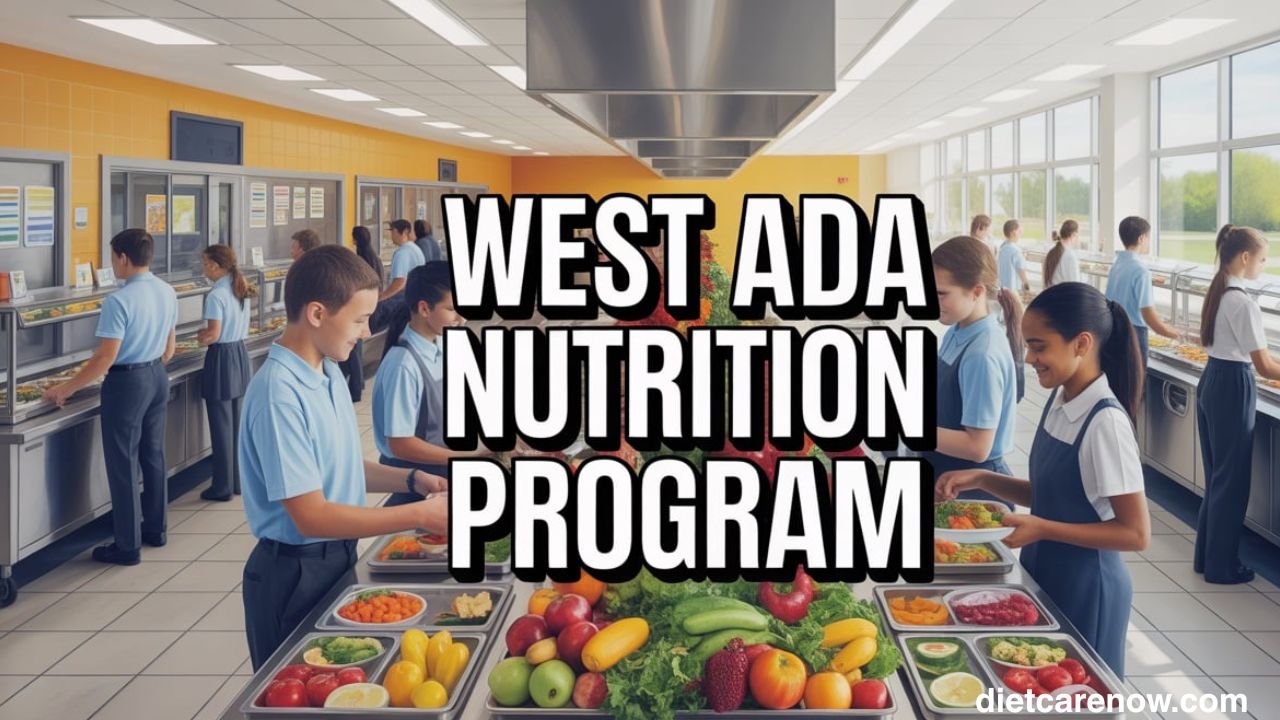
The West Ada School District is the largest in Idaho, serving tens of thousands of students across elementary, middle, and high schools. With such a large student population, supporting academic success goes far beyond the classroom. One of the biggest contributors to student health, focus, and growth is the food they eat every day at school.
That is where West Ada Nutrition comes in.
The district’s nutrition program plays a major role in making sure students have access to healthy, balanced meals that support learning. Research continues to show that students who eat well are more attentive, perform better on tests, and show improved behavior in class. When breakfast and lunch meet proper nutrition standards, students get the fuel they need to stay energized throughout the school day.
The purpose of West Ada’s nutrition program is simple yet powerful. It aims to provide nutritious, appealing, affordable meals that meet federal standards while also helping students build lifelong healthy habits. The program supports the school community by combining careful menu planning, trained food service staff, and access to resources that help families stay informed.
Mission and Vision of the West Ada Nutrition Program
West Ada Nutrition is built around core goals that support both student health and academic performance. At its heart, the program focuses on improving student well-being through meals that follow science-based guidelines. The mission is to serve meals that are safe, nutritious, and enjoyable, while the vision is to promote a school environment where healthy eating becomes a natural part of everyday life.
Several key ideas guide the program:
- Support academic success. Healthy meals help students stay focused and energized.
- Encourage lifelong habits. Introducing children to nutritious food early increases the likelihoodthat they will make healthier choices as adults.
- Follow proven nutrition standards. Meals align with both Idaho state regulations and federal USDA guidelines.
- Ensure equitable access. All students, including those from low-income households or those with dietary needs, should have access to meals that support their health.
Everything the program does connects back to these goals. Whether it is updating menus, improving food quality, or expanding nutrition education, the focus remains on creating a supportive, health-centered school environment.
Also read: /nutrition-games-for-adults/

Nutritional Standards and Guidelines Followed
West Ada Nutrition follows strict standards from the United States Department of Agriculture (USDA) through the National School Lunch Program (NSLP) and School Breakfast Program (SBP). These guidelines ensure that every meal served provides appropriate nutrients, balanced calories, and controlled levels of ingredients like sodium and added sugar.
Here are the main standards that shape West Ada’s approach:
USDA Requirements
Meals must include items from required food groups such as:
- Whole grains
- Lean proteins
- Fruits
- Vegetables (including subgroups like dark green, red/orange and legumes)
- Low-fat or fat-free milk
Calorie Limits and Portion Guidelines
Calorie ranges are set based on grade level to make sure students get enough energy without being overfed. Portion sizes are carefully measured for each age group to meet these calorie targets while providing the right balance of nutrients.
Added Sugar, Sodium, and Whole Grain Policies
- Meals limit added sugar in breakfast items, beverages and desserts.
- Sodium reduction targets are followed to help students maintain heart health.
- A large percentage of grains offered must be whole-grain rich, supporting digestion and long-term health.
By following these rules, the nutrition program ensures that students receive meals rooted in current nutrition science rather than trends or convenience.
Breakfast and Lunch Programs
The school day starts early, and many students either do not have time for breakfast at home or prefer to eat at school. West Ada offers both breakfast and lunch programs designed around balance, taste, and nutritional standards.
Overview of Menus
Menus change monthly, offering a rotation of fruits, vegetables, protein,s and whole-grain items. Students might see items like:
- Whole-grain breakfast sandwiches
- Fresh fruit cups
- Chicken tacos
- Pasta with marinara
- Baked potatoes
- Vegetable stir-fries
- Milk in low-fat or fat-free options
How Meals Are Planned
Menu planning involves:
- Meeting USDA guidelines for nutrients
- Offering meals that appeal to students of all ages
- Incorporating seasonal produce
- Managing cost efficiency across the district
Dietitians and trained menu planners work together to design meals that are both nutritious and enjoyable.
Benefits of Balanced School Meals
Students who participate in school meal programs often:
- Perform better academically
- Maintain steadier energy levels
- Show improved classroom behavior
- Develop better eating habits
Breakfast is especially important, as skipping it can lead to fatigue, slower thinking and difficulty concentrating.
Farm-to-School and Fresh Produce Initiatives
Many school districts across the country are adopting Farm-to-School practices, and West Ada participates in these efforts by sourcing fresh, local ingredients whenever possible.
Local Ingredient Sourcing
The program works with local farmers and produce suppliers to bring fresh fruits and vegetables into cafeterias. This approach:
- Improves the nutritional quality of meals
- Supports agricultural businesses in Idaho
- Reduces the environmental footprint of transported foods
Seasonal Fruits and Vegetables
- Apples
- Carrots
- Cucumbers
- Leafy greens
- Potatoes
- Berries
- Squash
These items appear in salads, side dishes, and main entrées.
Benefits of Farm-to-School
Both students and local farmers gain:
- Students get fresher, more flavorful produce.
- Farmers benefit from school partnerships.
- The community strengthens its local food system.
Special Diets and Allergy Accommodations
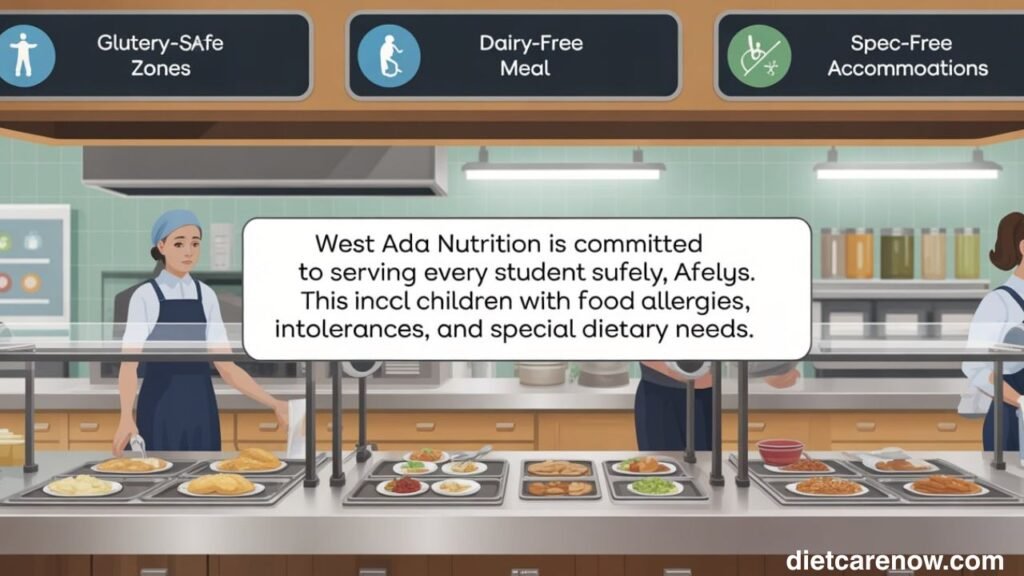
West Ada Nutrition is committed to serving every student safely. This includes children with food allergies, intolerances, and special dietary needs.
Procedures for Students With Allergies
The district requires documentation from a healthcare provider to create a customized meal plan. Once submitted, the nutrition department works with school staff to ensure safe meal preparation and serving.
Options for Various Dietary Needs
West Ada provides alternatives for students who need:
- Gluten-free meals
- Dairy-free or lactose-free items
- Nut-free options
- Vegetarian meals
- Modified textures or special medical diets
Communication With Parents
Parents can contact the nutrition department to discuss:
- Safe menu choices
- Cross-contamination prevention
- Updates to dietary restrictions
- Ongoing concerns
This partnership strengthens trust and helps protect students.
Free and Reduced-Price Meal Programs
Many families depend on school meal programs for financial and nutritional support. West Ada participates in the Free and Reduced-Price Meal Program, which helps ensure that no student goes hungry.
Eligibility Criteria
Eligibility is based on:
- Household income
- Family size
- Participation in government assistance programs like SNAP or TANF
- Foster child status
Application Process
Families complete an application through the district’s website or submit a paper form. The process is confidential, and approved students receive meals without being singled out.
Benefits for Low-Income Families
- Nutritious meals at free or reduced prices
- Reduced household food expenses
- Consistent access to healthy food, even during tough economic times
These programs support both student health and family stability.
Nutrition Education for Students
Nutrition education is an important part of the district’s approach to long-term wellness.
Classroom Programs
Teachers incorporate lessons on:
- Food groups
- Nutrient functions
- Portion control
- Hydration
- Making healthy meal choices
Younger grades often explore simple food experiments or fun, hands-on activities.
Partnerships
The nutrition department works with:
- School nurses
- Health educators
- PE teachers
- Local health organizations
These partnerships enhance learning and highlight real-world nutrition concepts.
How Students Learn Healthy Choices
Through interactive lessons, tasting events, and visual learning tools, students begin to recognize how food affects energy, mood, and performance.
Smart Snacks in Schools
Outside of meals, snacks also matter. The USDA’s Smart Snacks in Schools standards regulate what foods can be sold during school hours.
Rules for Snacks
Approved snacks must meet the criteria for:
- Calories
- Sodium
- Added sugar
- Whole grains
Approved Snack Categories
- Baked chips
- Low-sugar granola bars
- Fresh fruit cups
- Yogurt
- 100 percent juice
- Water
Compliance in Vending Machines and School Stores
All snack vending machines and school stores follow Smart Snack regulations. This ensures students are surrounded by healthier options throughout the school day.
Sustainability and Waste Reduction Efforts
Environmental responsibility is another focus of West Ada Nutrition.
Recycling Initiatives
Schools incorporate recycling programs for:
- Milk cartons
- Cardboard packaging
- Plastic bottles
Reducing Food Waste
Strategies include:
- “Share tables” where unopened food can be reused
- Smaller portion options
- Better forecasting of meal quantities
Eco-Friendly Packaging
Some schools use packaging made from compostable or recyclable materials. This reduces landfill waste and supports district sustainability goals.

Technology and Online Tools for Parents
Technology helps families stay connected with the nutrition program.
Online Meal Accounts
Tools like MySchoolBucks allow parents to:
- Load funds to student accounts
- Review purchase history
- Set spending limits
Digital Menus
Parents can view:
- Monthly menus
- Nutrition facts
- Allergen information
Meal Tracking
With online tools, parents can follow what their children are eating and encourage healthier choices.
Monthly Menus and Seasonal Meal Planning
Menu planning is a thoughtful and ongoing process.
How Menus Are Created
Dietitians look at:
- USDA standards
- Ingredient costs
- Student preferences
- Kitchen capacity
- Seasonal produce availability
Balance and Variety
Menus aim to include:
- Multiple fruit and vegetable options
- Global flavors
- Comfort foods prepared in healthier ways
Special Menus
Holidays and themed days may include:
- Thanksgiving lunches
- Cultural food celebrations
- Farm-to-School harvest events
These additions make the cafeteria experience more engaging.
Student Feedback and Continuous Improvement
Students play a valuable role in shaping the menu.
Surveys and Feedback Forms
The nutrition department collects feedback through surveys that ask students what they like, dislike or want added.
How Feedback Shapes Menus
If a particular meal is unpopular, it may be replaced or modified. Popular dishes are offered more frequently.
Student Advisory Groups
Some schools use student councils or nutrition advisory groups to test new menu items before they are added district-wide.

Staff Training and Food Safety Practices
Behind every school meal is a trained team of food service professionals.
Professional Development
Staff participate in ongoing training on:
- Nutrition
- Meal preparation
- Equipment use
- USDA policy updates
Safety Protocols
Safety is maintained through procedures such as:
- Proper food storage
- Temperature checks
- Sanitizing routines
- Allergen-safe handling
Importance of Hygiene Standards
High hygiene standards help protect students from illness and ensure that every meal served is safe.
Future Plans and Improvements for West Ada Nutrition
The nutrition program continues to evolve as student needs and nutrition science change.
Upcoming Initiatives
Plans may include:
- More scratch-cooked meals
- Expanded Farm-to-School partnerships
- Increased vegetarian and plant-based options
Goals for the Next Five Years
- Improve menu variety
- Integrate more nutrition education
- Reduce waste even further
- Enhance technology tools for parents
Innovations in Meal Services
The future may bring meal kiosks, expanded mobile app features or even cooking demonstrations for students.
Final Thoughts
West Ada Nutrition is an essential part of the district’s mission to support healthy, successful students. By offering balanced meals, adhering to strict nutrition standards, accommodating dietary needs, and involving students in menu development, the program helps build a stronger school environment.
Healthy eating is one of the most important tools for learning. West Ada’s nutrition program continues to grow, adapt, and innovate so students receive the best possible support every day.