
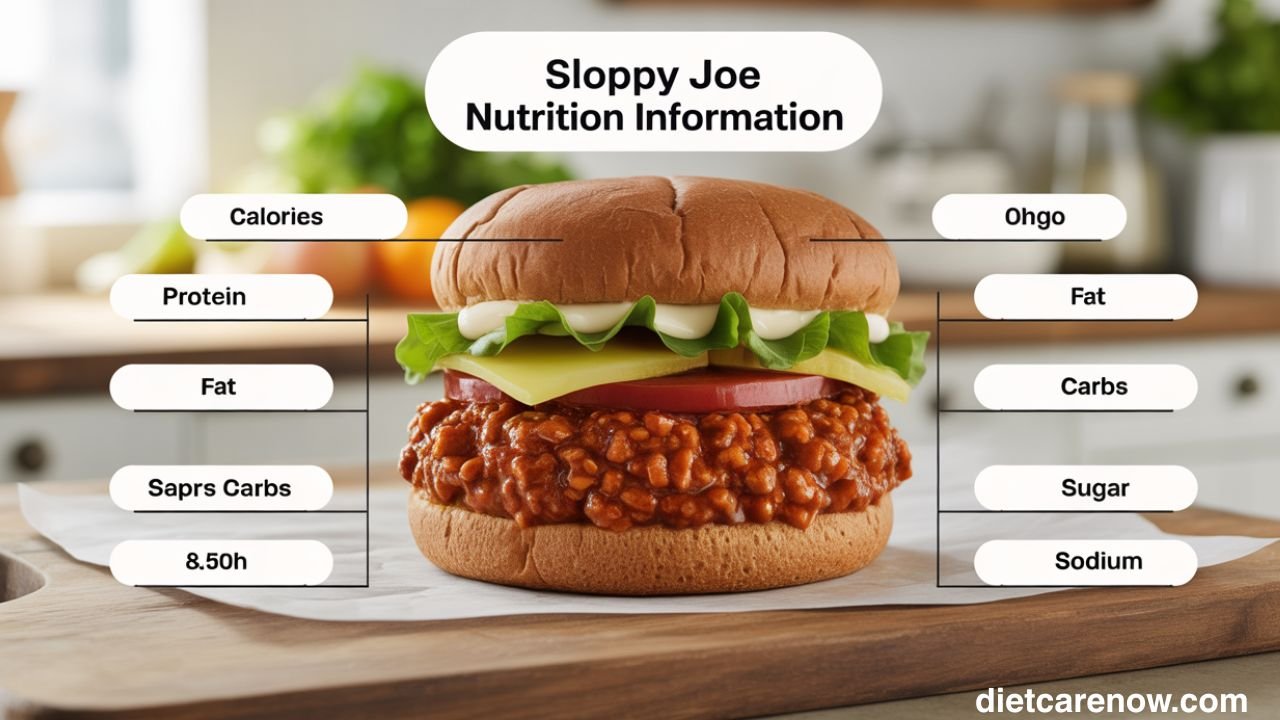
They first gained popularity in the early 20th century when ground beef recipes became an affordable way to feed families. Sloppy Joe Nutrition Facts The loose, saucy mixture piled inside a soft bun became an instant comfort food in school cafeterias, diners, and home kitchens.
People love Sloppy Joes because they are simple, filling, and customizable. You can make them sweet, tangy, or spicy depending on your taste. As food trends shift toward healthier eating, many people are curious about what actually goes into this classic dish. Understanding nutrition is the first step toward making a version that fits your diet and health goals.
This guide breaks down the full nutritional picture so you can enjoy your Sloppy Joe with confidence.
What Is a Traditional Sloppy Joe Made Of?
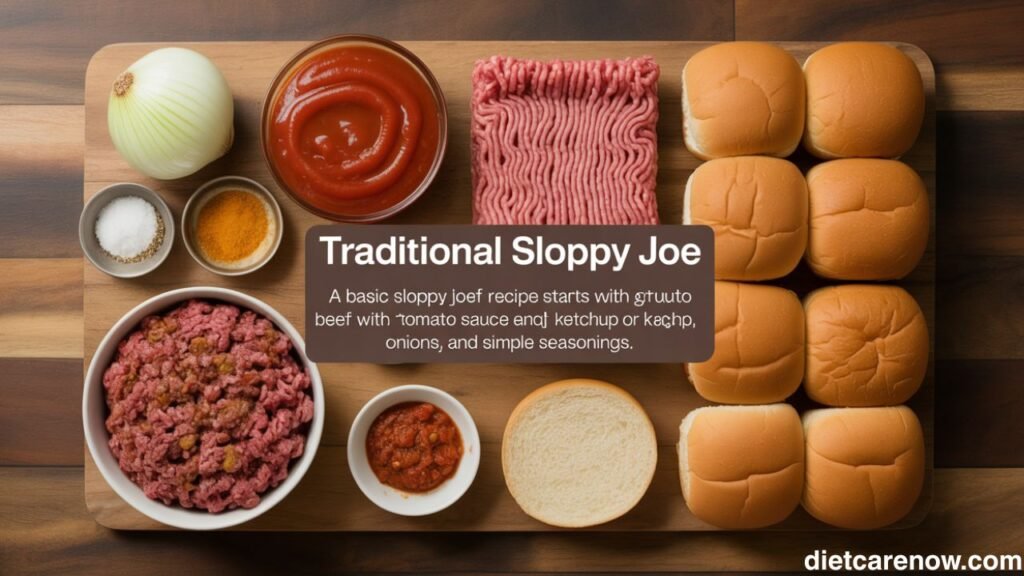
A basic Sloppy Joe recipe starts with ground beef cooked with tomato sauce or ketchup, onions, and simple seasonings. Some recipes use a little brown sugar or Worcestershire sauce to create the signature sweet and tangy flavor. Once the mixture is thickened, it is spooned onto a hamburger bun.
Common ingredients include:
- Ground beef
- Onion or onion powder
- Garlic or garlic powder
- Tomato sauce, ketchup or canned Sloppy Joe sauce
- Brown sugar
- Vinegar or Worcestershire sauce
- Salt and pepper
- Hamburger bun
Ingredients vary depending on the household. Some cooks add bell peppers, celery or carrots. Others prefer barbecue sauce instead of ketchup. Serving sizes usually range from ½ cup to ¾ cup of filling on a standard burger bun. This serving size is used for most nutrition estimates.
Also read: /frozen-yogurt-nutrition/
Overview of Sloppy Joe Nutrition
A typical homemade Sloppy Joe with a bun provides around 350 to 450 calories. The exact number depends on the cut of meat, the amount of sauce, and the type of bun.
Here is the average macronutrient breakdown for a standard serving:
- Protein: 18 to 24 grams
- Fat: 12 to 20 grams
- Carbohydrates: 30 to 45 grams
- Fiber: 1 to 3 grams
Most calories come from the meat and bun, while sauces contribute extra sugar and sodium. Recipes vary widely, but this profile is common across many versions.
Calorie Breakdown: Where the Calories Come From
Every part of a Sloppy Joe contributes to the calorie count. Here is a closer look.
Calories from Meat
Ground beef is the main calorie source. Higher-fat beef adds more calories. For example:
- 70% lean beef: About 300 calories per 4 ounces
- 80% lean beef: About 280 calories
- 90% lean beef: About 200 calories
Leaner beef reduces calories but still provides plenty of protein.
Calories from Sauces and Sugar
Tomato sauce, ketchup, and barbecue sauce add both flavor and calories. Ketchup alone contains about 20 calories per tablespoon. Brown sugar or sweet sauces increase the calorie count even more.
Calories from Buns
A standard hamburger bun adds 120 to 150 calories. Whole wheat buns are usually similar in calories but offer more fiber.
Cooking Method Impact
The way you cook your meat matters. Draining the fat after browning significantly lowers calories. Leaving excess grease in the pan results in a heavier, higher-calorie meal.
Macronutrients in a Sloppy Joe
Understanding macronutrients will help you decide how Sloppy Joes fit into your diet.
Protein Content
Sloppy Joes are typically high in protein because of the ground beef. A serving usually provides 18 to 24 grams. Using lean beef or turkey may increase protein while lowering fat.
Fat Levels
Fat levels depend heavily on the meat:
- Fatty beef increases saturated fat
- Lean beef or turkey lowers total fat
- Draining fat after cooking reduces calories and saturated fat
Carbohydrates from the Sauce and the Bun
The largest source of carbs is the bun. Sauces also contribute because of natural and added sugars. A typical serving contains 30 to 45 grams of carbs.
Fiber Content
Fiber is usually low because white buns and tomato sauce do not provide much. Adding vegetables or choosing a whole-grain bun boosts fiber and improves digestion.
Vitamins and Minerals Found in Sloppy Joes
Sloppy Joes provide more nutrition than people often expect.
Iron and Zinc
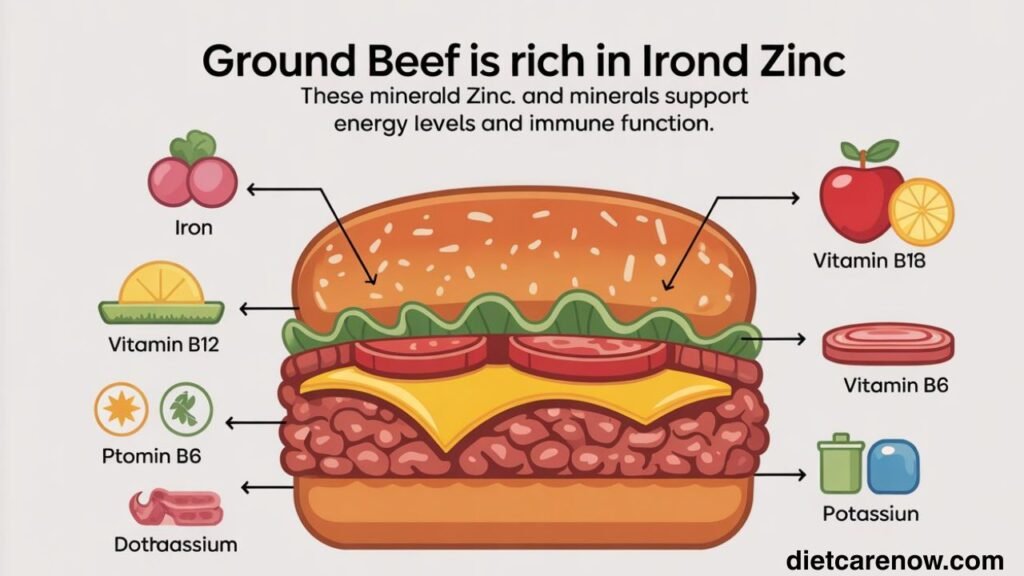
Ground beef is rich in iron and zinc. These minerals support energy levels and immune function.
Vitamin B12 and B6
Beef is one of the best natural sources of vitamin B12. It also contains vitamin B6, which helps with metabolism and nerve function.
Potassium and Sodium
Tomato sauce contributes potassium, but store-bought sauces also bring a lot of sodium. Sodium levels can become high depending on the sauce and added seasoning.
Vegetable Nutrients
If you add bell peppers, onions, or carrots, you gain extra vitamin C, potassium, and fiber.
Sodium Content: The Biggest Concern
Sodium is one of the most important nutritional concerns with Sloppy Joes.
Why Sloppy Joes Are Often High in Sodium
Canned sauces, ketchup, barbecue sauce, and processed buns all contain sodium. A single serving of canned Sloppy Joe sauce often includes 400 to 600 milligrams. Combined with meat seasoning and the bun, sodium can reach 800 to 1,000 milligrams per sandwich.
Risks of Excess Sodium
Too much sodium may contribute to high blood pressure, fluid retention, and heart strain.
How to Reduce Sodium
You can lower sodium by:
- Using low-sodium tomato sauce
- Choosing low-sodium ketchup
- Seasoning with herbs instead of extra salt
- Skipping canned mixes
- Using fresh vegetables for flavor
Sugar Content in Sloppy Joe Sauce
Many Sloppy Joe recipes include sugar. Even if you do not add sugar, ketchup and barbecue sauce contain it.
Sources of Sugar
- Ketchup
- BBQ sauce
- Canned Sloppy Joe sauce
- Brown sugar
Canned sauces can contain 8 to 12 grams of sugar per serving.
How Sugar Impacts Calories
Sugar increases total carbs and calories without adding nutritional value.
Low Sugar Options
Use:
- Unsweetened tomato sauce
- Sugar-free ketchup
- A touch of vinegar for tang
- Fresh vegetables for natural sweetness
This keeps the flavor strong while cutting unnecessary sugar.
Comparing Homemade vs. Store-Bought Sloppy Joes
Homemade Sloppy Joes are usually healthier because you control every ingredient.
Nutritional Differences
Store-bought canned sauces often contain more sodium, sugar, and preservatives. Homemade versions allow you to reduce salt, pick lean meat, and add vegetables.
Canned Sauces vs Homemade
Canned sauces can contain additives like corn syrup and modified starch. Homemade sauce can be as simple as tomato sauce with onion, garlic, and seasonings.
Additives and Preservatives
Packaged sauces may include artificial flavors and preservatives to extend shelf life. These do not improve nutrition and can make the dish higher in sodium and sugar.
Impact of the Bun on Nutrition
The bun may seem like a small part of the meal, but it significantly affects nutrition.
White Buns vs Whole Grain
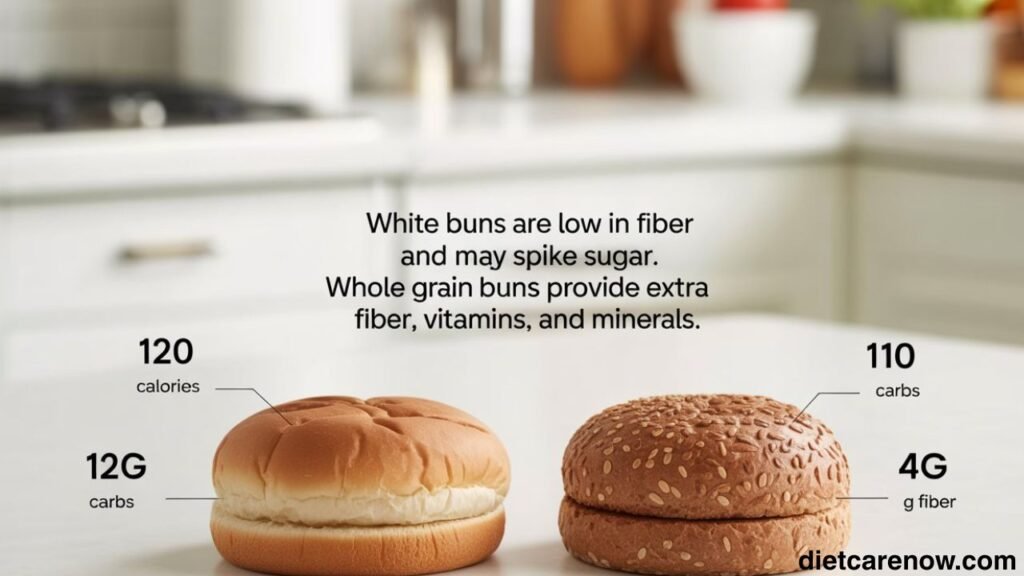
White buns are low in fiber and may spike blood sugar. Whole-grain buns provide extra fiber, vitamins, and minerals.
Calories and Carbs from Buns
Most buns contribute 120 to 150 calories and 22 to 28 grams of carbs.
Low Carb and Gluten Free Options
You can use:
- Lettuce wraps
- Low-carb buns
- Gluten-free buns
- Whole wheat pitas
These swaps are helpful for people with dietary restrictions.
Healthy Ingredient Swaps
Small changes can make your Sloppy Joe healthier without losing flavor.
Lean Ground Turkey or Chicken
These alternatives reduce saturated fat and calories. They still provide plenty of protein.
Low Sodium Sauces
Look for sauces labeled low sodium or no salt added. You can also make your own with tomato sauce and spices.
Extra Vegetables
Bell peppers, onions, mushrooms, and carrots add nutrients and volume while lowering calories per serving.
Healthier Bun Choices
Whole-grain buns, low-carb buns, or Pita pockets work well.
Sloppy Joes for Special Diets
Sloppy Joes are surprisingly adaptable.
Low-Calorie Versions
Use lean turkey, skip added sugar, and add vegetables to stretch the meat mixture.
Low Carb or Keto Versions
Replace the bun with lettuce or low-carb bread. Choose sugar-free sauces.
Gluten Free Modifications
Use gluten-free buns or lettuce cups. Check labels on sauces to avoid hidden gluten.
Vegetarian and Vegan Options
Swap meat with:
- Lentils
- Crumbled tofu
- Plant-based ground meat
- Mushrooms
These offer a satisfying texture with lower calories and fat.
Portion Control and Serving Tips
Serving size makes a big difference in calories.
Recommended Serving Size
Most nutrition estimates are based on ½ to ¾ cup of filling per sandwich.
Portion Size and Calories
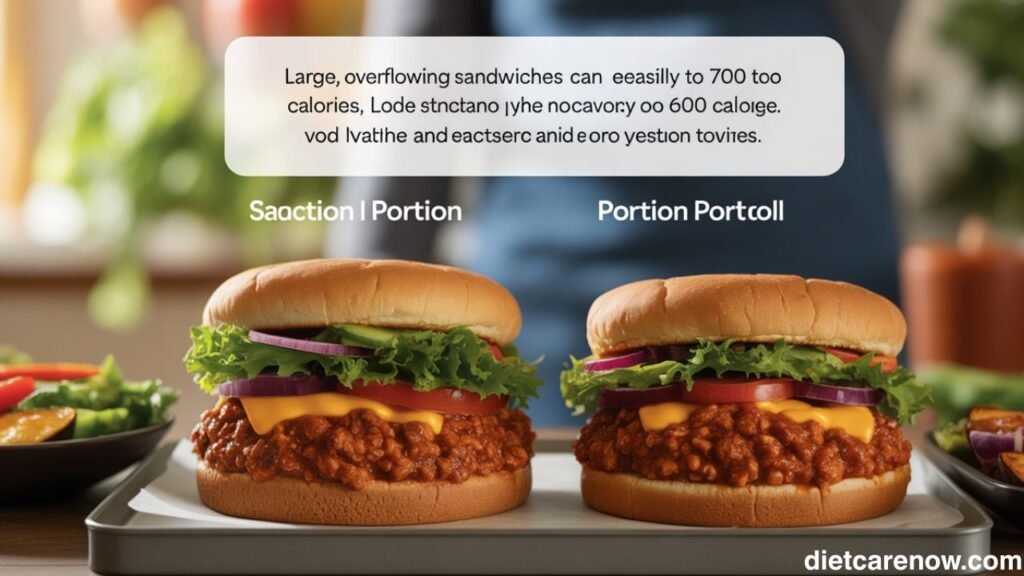
Large, overflowing sandwiches can easily reach 600 to 700 calories.
Healthy Side Ideas
Avoid pairing Sloppy Joes with fries or chips. Instead choose:
- Green salads
- Steamed vegetables
- Roasted broccoli
- Fresh fruit
These balance the meal and add nutrients.
Sample Nutrition Label for a Typical Sloppy Joe
Below is a mock nutrition facts example for a standard homemade Sloppy Joe with a bun.
Sample Nutrition Facts (Per Serving)
- Calories: 410
- Total Fat: 14 g
- Saturated Fat: 5 g
- Protein: 22 g
- Carbohydrates: 45 g
- Fiber: 2 g
- Sugars: 12 g
- Sodium: 920 mg
- Iron: 2.5 mg
- Potassium: 430 mg
What These Numbers Mean
- High sodium is the top concern
- Carbs mainly come from the bun
- Protein is strong because of the meat
- Sugar mostly comes from sauces
- Fat varies based on meat choices
Conclusion: Are Sloppy Joes Healthy?
Sloppy Joes can fit into a balanced diet when prepared thoughtfully. The dish provides protein, iron, and B vitamins, but it can also contain high sodium, added sugar, and extra calories depending on how it is made.
The good news is that Sloppy Joes are easy to customize. You can lower sodium, use lean meat, choose whole-grain buns, and add vegetables for extra nutrition. You do not have to give up the familiar comfort of this classic meal. Small adjustments make it healthier while keeping the flavor you love.