
Beets have been around for centuries and continue to be one of the most nutrient-rich vegetables you can add to your meals. They come in deep shades of red, golden yellow, and even candy-striped varieties. Most people know beets for their earthy flavor and natural sweetness, but many still underestimate how nutritious they really are.
Roasted beets, in particular, are becoming more popular. They are easy to cook, taste sweeter than raw beets, and have a tender texture that works well in salads, bowls, and side dishes. Roasting brings out their flavor without taking away the vitamins and minerals that make them so beneficial for your health. If you want a vegetable that’s flavorful, filling, and incredibly nutritious, roasted beets are a great choice.
Nutritional Profile of Roasted Beets
Roasted beets offer a well-balanced mix of macronutrients and essential micronutrients. Here is a closer look at what you get.
Macronutrients
A typical one-cup serving of roasted beets provides:
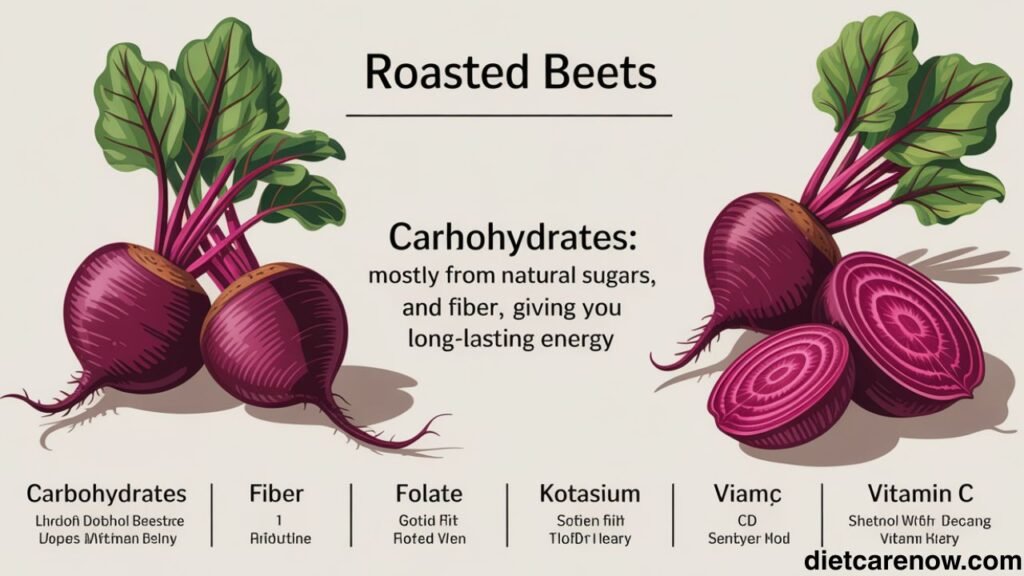
- Carbohydrates: Mostly from natural sugars and fiber, giving you long-lasting energy
- Protein: A small amount, but still helpful for tissue repair and muscle health
- Fat: Almost none, which makes beets a low-fat food naturally
Key Vitamins and Minerals
Roasted beets are rich in:
- Folate: Important for cell growth and brain function
- Potassium: Helps regulate heart rhythm and fluid balance
- Vitamin C: Supports immunity
- Manganese: Needed for metabolism and antioxidant function
- Iron: Helps form healthy red blood cells
Comparison With Raw Beets
Raw beets and roasted beets have very similar nutritional profiles. Roasting slightly reduces heat-sensitive vitamins like vitamin C, but most minerals, fibers, and antioxidants remain stable. What you lose in a small amount of vitamin C, you gain in improved flavor, digestibility, and versatility.
Also read: /calories-are-in-half-a-cup-of-cottage-cheese/
Health Benefits of Roasted Beets
Roasted beets support your body in several important ways.
Improved Digestion
The fiber in beets helps regulate bowel movements and keeps your digestive system running smoothly.
Better Brain and Heart Health
Natural nitrates in roasted beets convert into nitric oxide in the body. This helps improve blood flow, which supports both heart and brain function.
Enhanced Athletic Performance
Beets are well known among athletes because nitrate-rich foods help the body use oxygen more efficiently. This may improve stamina during exercise.
Antioxidants in Roasted Beets
Beets are rich in compounds called betalains. These pigments give beets their deep color and offer powerful antioxidant benefits.
Overview of Betalains
Betalains help protect cells from oxidative stress, which can contribute to inflammation and aging.
How Roasting Affects Antioxidants
Roasting slightly reduces some antioxidant levels, but many betalains remain intact. The reduction is small, and roasted beets still deliver strong antioxidant benefits.
Anti-Inflammatory Properties
Betalains and other plant compounds in beets help reduce inflammation. This supports joint health, immune function, and overall wellness.
Impact of Roasting on Beet Nutrition
Roasting is one of the best cooking methods for preserving nutrients.
Nutrients That Remain Stable
- Fiber
- Minerals like potassium, manganese, and iron
- Most antioxidants
Nutrients Slightly Reduced
- Vitamin C
- Some heat-sensitive phytonutrients
Even with these changes, roasted beets remain highly nutritious.
Best Roasting Methods to Preserve Nutrition
- Roast whole or with skins on
- Keep temperatures moderate (375°F to 400°F)
- Avoid overcooking to prevent nutrient loss
Roasted Beets and Digestive Health
Roasted beets are excellent for digestion.
Dietary Fiber Benefits
The fiber promotes regular bowel movements and prevents constipation.
Gut Health Support
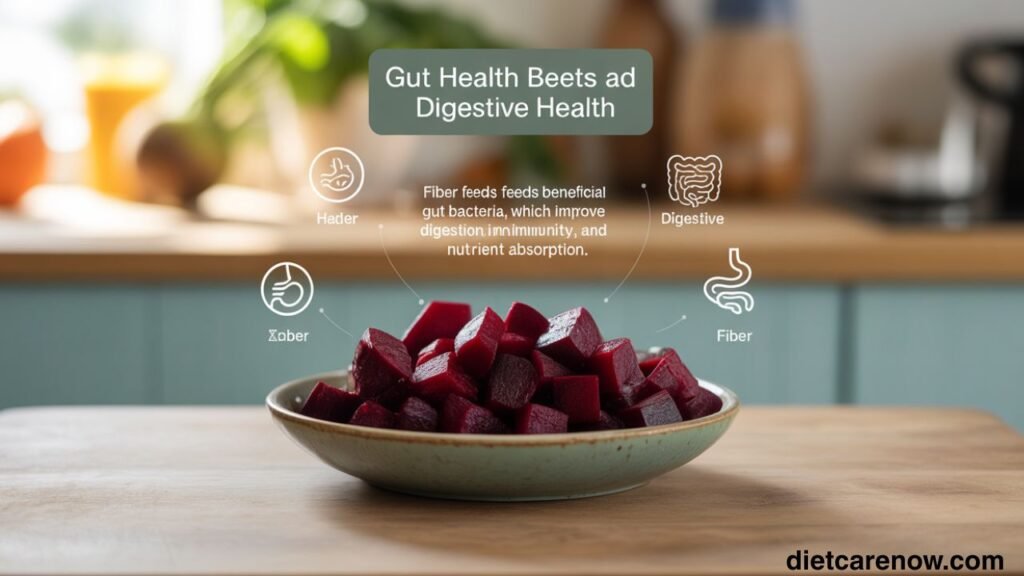
Fiber feeds beneficial gut bacteria, which improve digestion, immunity, and nutrient absorption.
Role in Relieving Constipation
If your diet lacks fiber, adding roasted beets can help soften stools and promote easier elimination.
Roasted Beets for Weight Management
If you are trying to lose or maintain weight, roasted beets can be a helpful addition to your meals.
Low-Calorie, Nutrient-Dense Nature
A cup of roasted beets contains fewer than 100 calories but is packed with vitamins, minerals, and antioxidants.
Satiety Benefits
The fiber and natural sweetness help keep you full without overeating.
Ideal as a Weight-Loss-Friendly Food
They work well in salads, bowls, or as a side dish, helping you stay satisfied while eating fewer calories.
Heart Health Benefits
Your heart benefits from the nutrients in roasted beets in several ways.
Nitrate Content and Blood Pressure Support
Natural nitrates help relax blood vessels, which may support healthy blood pressure levels.
Potassium and Heart Function
Potassium helps reduce the impact of sodium and supports proper muscle function, including the heartbeat.
Antioxidants Reducing Oxidative Stress
Oxidative stress contributes to heart-related issues. Antioxidants in beets help reduce that burden and support long-term heart health.
Benefits for Athletes and Active Individuals
Roasted beets can be a smart choice before a workout.
Natural Nitrates Increasing Stamina
The nitrates improve oxygen use, allowing athletes to push harder for longer.
Improved Blood Flow
Better blood flow means your muscles receive more oxygen and nutrients during exercise.
Ideal Pre-Workout Food Options
Roasted beet slices, beet salad, or beet smoothies are great pre-workout options because they provide natural energy without weighing you down.
Blood Sugar and Roasted Beets
Many people wonder if beets are suitable for those with blood sugar concerns.
Glycemic Index
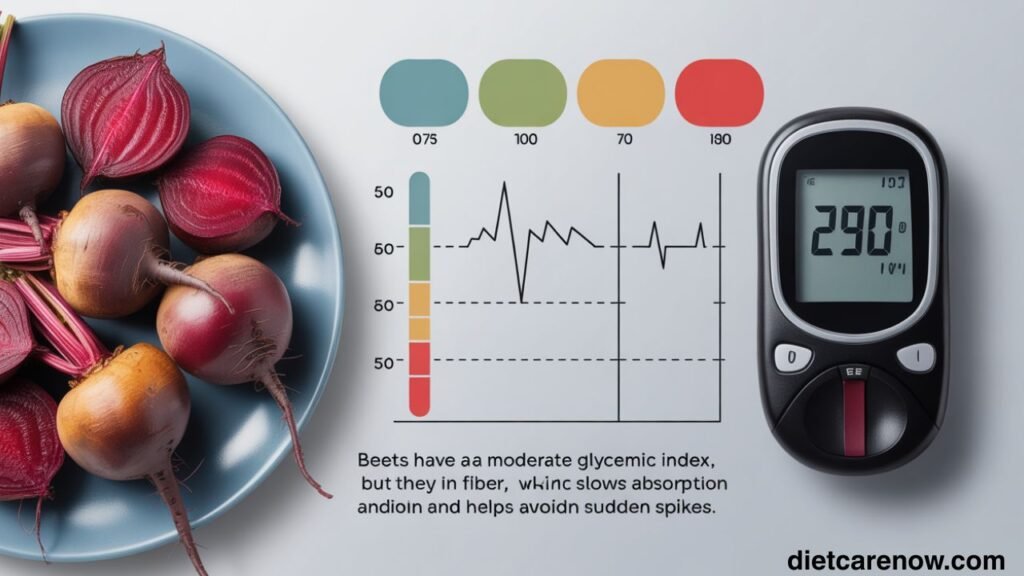
Beets have a moderate glycemic index, but they are high in fiber, which slows absorption and helps avoid sudden spikes.
Effects on Insulin Response
The combination of fiber and natural sugar supports a steady release of energy instead of quick spikes.
Portion Control for Diabetics
Beets can be part of a diabetic-friendly diet when eaten in moderate portions. Pairing them with protein or healthy fats can help balance the meal.
Roasted Beets vs Other Cooking Methods
Different cooking methods affect flavor, texture, and nutrition in different ways.
Nutrition Comparison
- Boiling: More nutrient loss because vitamins leak into the water
- Steaming: Better than boiling but may reduce flavor
- Air-frying: Similar to roasting, but can dry the beets
- Roasting: Preserves nutrients while improving flavor
Flavor and Texture Differences
Roasting produces a sweeter, caramelized flavor and tender texture. Boiled beets are softer and milder.
Why Roasting Is Preferred
Roasting balances taste, texture, and nutrition, making it the preferred choice for most people.
How to Roast Beets for Maximum Nutrition
Here is a simple and reliable method for roasting beets while preserving their nutrients.
Step-by-Step Roasting Guide
- Wash beets thoroughly and keep the skin on.
- Trim only the top and bottom.
- Wrap each beet in foil or place them in a covered baking dish.
- Roast at 400°F for 45 to 60 minutes, depending on size.
- Check with a fork.
- Let them cool slightly, then peel using your hands or a paper towel.
Tips for Minimizing Nutrient Loss
- Roast whole, not in small pieces
- Avoid high temperatures for long periods
- Do not boil before roasting
- Keep the skins on until after cooking
Seasoning Ideas
- Olive oil, salt, pepper
- Rosemary or thyme
- Lemon juice
- Garlic powder
- Balsamic vinegar after roasting
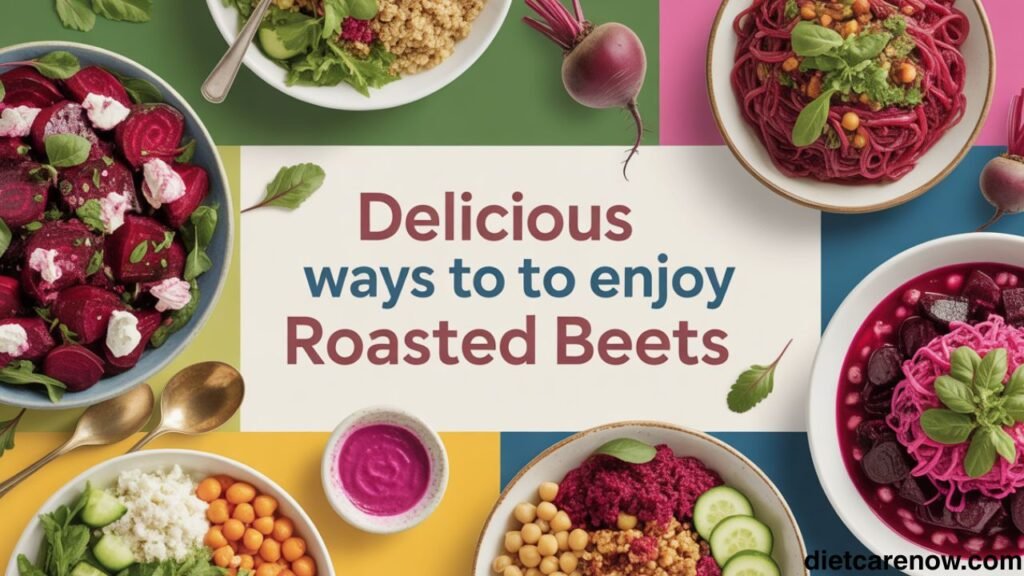
Delicious Ways to Enjoy Roasted Beets
Roasted beets fit into many meals.
Salads
Pair with goat cheese, arugula, walnuts, or citrus for a refreshing mix.
Bowls
Add roasted beets to grain bowls with quinoa, chickpeas, cucumbers, and tahini.
Pasta, Smoothies, Soups, and Sides
- Slice into whole-grain pasta dishes
- Blend into smoothies for color and nutrients
- Add to soups for sweetness
- Serve as a simple side with olive oil and herbs
Potential Side Effects and Considerations
Although roasted beets are safe for most people, keep a few things in mind.
Beeturia
Some people notice pink or red urine after eating beets. This is harmless.
Oxalates and Kidney Stones
Beets contain oxalates.
Allergy Considerations
Beet allergies are rare, but they exist. Symptoms might include itching or swelling. If this occurs, avoid beets and consult a healthcare provider.
Conclusion
Roasted beets are one of the most nutritious and versatile vegetables you can add to your meals. They offer fiber, antioxidants, vitamins, and minerals that support digestion, heart health, brain function, and athletic performance. Their natural sweetness and tender texture make them easy to enjoy in salads, bowls, soups, or as a simple roasted side.
Whether you want better health, more energy, or a tasty vegetable with a lot of benefits, roasted beets deserve a regular place in your kitchen. Try roasting a batch and discover how simple and satisfying they can be.