

Healthy eating sounds simple, but most adults find it hard to stay consistent. We know we should eat more whole foods, plan balanced meals, and cut back on processed snacks, yet real life gets in the way. Work schedules, stress, a lack of planning, and old habits tend to prevail. Even when someone understands the basics of nutrition, sticking to the plan can feel tiring. This is one reason more adults are turning to gamified wellness tools. Nutrition Games for Adults Gamified nutrition is no longer a tool only used by kids. It has become a smart, engaging way for adults to learn about food in a way that feels fun instead of overwhelming. The rise of fitness trackers, step challenges, and app-based rewards has shown that people enjoy turning healthy habits into small, manageable missions.
Nutrition games take the same idea and apply it to eating habits. Whether you are earning points for logging vegetables, joining a group challenge with coworkers, or trying a cooking game with friends, these tools make healthy eating feel more interactive. Instead of forcing yourself to follow strict rules, you get the motivation boost that comes from seeing progress and celebrating small wins.At the heart of nutrition games is a simple idea. When learning feels enjoyable, you stick with it. That is the real magic behind this approach.
Benefits of Using Games to Teach Nutrition
Games do more than entertain. When applied to nutrition, they offer practical benefits that support real lifestyle change.
Improving engagement and motivation
Many adults know what healthy eating looks like, but motivation fades quickly. Games help keep that spark alive. When you can earn badges, track streaks, or compete with a friend, everyday choices feel more rewarding.
Enhancing knowledge retention
Adults often learn better by doing. When nutrition is presented in a game format, concepts become easier to remember. Matching food groups, building sample meals, or solving food-related challenges helps reinforce important lessons.
Supporting behavior change through positive reinforcement
Consistent feedback makes a huge difference. Games offer instant rewards when you make progress, which helps your brain associate healthy eating with something satisfying rather than stressful. Over time, this reinforcement helps build stronger habits.
Reducing stress and making learning enjoyable
Traditional nutrition advice can feel heavy or judgmental. Games create a relaxed learning environment. When you enjoy the process, you feel less pressure and more willingness to try new things.
Also read: /minestrone-soup-nutrition/

The Psychology Behind Gamified Nutrition
Gamified learning is not random. There is real psychology behind why it works, especially for adults.
How rewards, challenges, and progress tracking influence habits
Humans respond well to small rewards. Tracking progress makes your efforts feel concrete. Challenges add a sense of purpose. When these elements come together, your brain gets regular boosts of motivation. This increases the likelihood that you stick to your goals, even on days when you feel less inspired.
Why Adults respond well to game-based learning
Adults want learning to feel relevant and practical. Games turn nutrition into simple, bite-sized tasks. Instead of reading long lists of rules, you take action. This keeps you engaged and reduces the mental fatigue that often comes with lifestyle changes.
Creating long-term healthy lifestyle patterns through games
The beauty of gamified nutrition is that it encourages repetition. When you repeat a behavior often enough, it becomes a habit. Over time, these small choices add up to long-term changes in your overall health.
Digital Nutrition Games: Apps and Mobile Tools
Technology has opened the door to creative nutrition games that help adults stay engaged anywhere.
Best apps for gamified calorie tracking
Many tracking apps now use point systems, leaderboards, and achievements to keep you consistent. Instead of feeling like a chore, logging your meals becomes part of a daily challenge.
Games that reward healthy eating choices
Some apps let you earn rewards for eating more whole foods, choosing balanced meals, or staying hydrated. Rewards might include unlocking new levels, earning badges, or getting virtual prizes.
Social challenges and community-based nutrition gaming
Social features help adults stay accountable. Community challenges, group goals, and shared meal missions make healthy eating a group effort. This brings back the fun of teamwork and friendly competition.
Interactive Group-Based Nutrition Games
Group nutrition games make healthy eating more social, which helps with accountability.
Games for workplaces, fitness groups, and workshops
Workplaces often run step challenges, but nutrition challenges are just as effective. Examples include weekly veggie goals, recipe competitions, or color-based eating challenges where teams try to eat a wider range of colorful foods.
Team-building activities centered around healthy eating
Activities like building balanced plates, grocery store scavenger hunts, or cooking relays make nutrition learning fun. They help groups bond while also promoting healthier choices.
How group challenges improve accountability
When you are part of a team, you naturally push yourself to do better. Group games create a sense of shared responsibility and make it easier to stay committed.
Board Games and Card Games Focused on Healthy Eating
Not all nutrition games require a screen. Many board and card games are designed for adults who enjoy hands-on learning.
Popular nutrition board games
Several board games revolve around building balanced meals, learning food categories, or understanding how nutrients work. These games make complex concepts easier to digest.
Educational card games for adults
Card games that include quizzes, food facts, or ingredient challenges are great for small gatherings. They offer a relaxed way to build nutrition knowledge without feeling overloaded.
How traditional games make nutrition easier to understand
Games simplify nutrition by presenting information in small, interactive steps. When complicated ideas turn into simple tasks, they feel less intimidating.

Virtual Reality (VR) and Augmented Reality (AR) Nutrition Experiences
Emerging technology is transforming nutrition education into immersive experiences.
Immersive learning experiences
VR allows adults to enter realistic environments where they can explore food choices, practice cooking skills, or take part in interactive challenges.
VR simulations for meal planning
Some VR tools help users plan meals by visualizing portion sizes, ingredients, or cooking steps. This gives a deeper understanding of how balanced meals come together.
AR tools that promote grocery-store learning
AR apps can scan food items and offer instant feedback on nutrition facts. This turns a regular grocery trip into an educational game.
Fun Cooking Challenges as Nutrition Games
Cooking is one of the best ways to understand healthy eating, and adding a gaming element makes it even better.
Time-based cooking competitions
These challenges push you to create balanced meals within a set time. They help you develop quick, healthy cooking habits.
Healthy ingredient swap challenges
Players swap common ingredients for healthier options. This builds creativity and teaches adults how to upgrade recipes without losing flavor.
Meal prep gamification for busy adults
Turning meal prep into a game helps reduce the stress around planning. Try earning points for preparing meals ahead or for trying new vegetables each week.
Nutrition Quiz Games and Trivia
Trivia is one of the easiest ways to learn nutrition facts without feeling overwhelmed.
Engaging ways to test nutrition knowledge
You can find quizzes online, in apps, or on cards. Trivia helps you learn facts about food groups, vitamin sources, and healthy cooking methods.
How trivia games build awareness of healthy habits
By answering questions, you naturally absorb information that helps you make better choices.
Tools for hosting quiz nights at home or work
Trivia nights can be part of a wellness event or a fun evening with friends. They require minimal setup but deliver a lot of value.
Healthy Habit Tracking Games
Tracking tools work best when they feel simple and rewarding.
Using streaks, points, and badges to build habits
These small motivators encourage consistency. Adults often find it satisfying to see progress visually.
Daily nutrition checklists turned into games
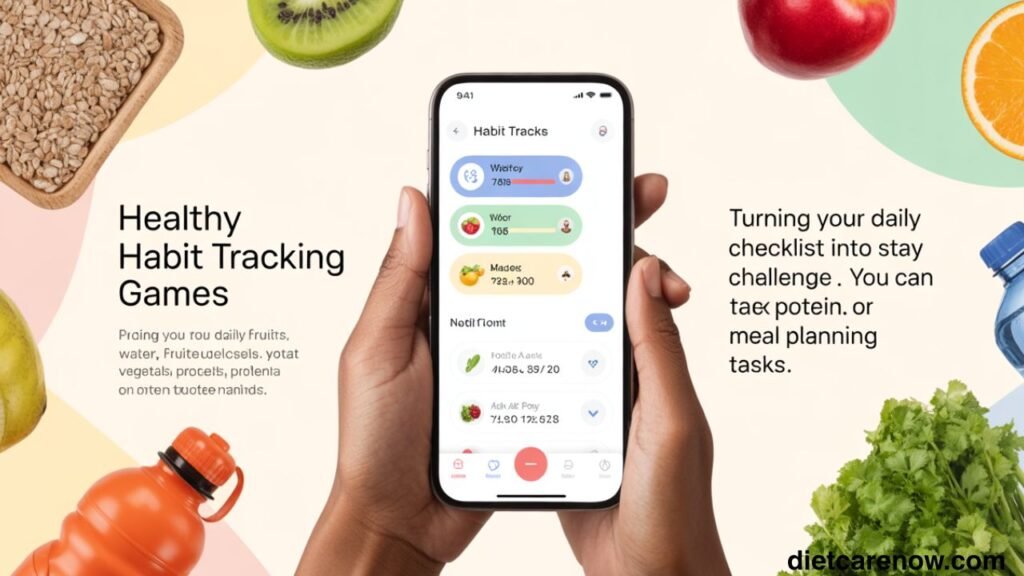
Turning your daily checklist into a challenge helps you stay focused. You can track water, fruits, vegetables, protein, or meal planning tasks.
Long-term progress tracking for adults
Seeing long-term patterns helps you identify strengths and weaknesses. It also builds confidence as you notice real improvement.
Fitness + Nutrition Hybrid Games
Combining nutrition and movement creates a more complete wellness experience.
Games combining workouts with meal goals
Some apps reward you for meeting both exercise goals and nutrition targets. This creates a balanced approach to health.
Integrating physical movement for full wellness benefits
Movement and nutrition support each other. Games that combine both help adults stay more energized and committed.
Best hybrid apps and group activities
Group challenges that blend steps, hydration, and balanced meals are popular because they touch all parts of wellness.
Games for Portion Control and Mindful Eating
Many adults struggle with portion sizes and emotional eating. Games can help build awareness.
Interactive ways to understand portion sizes
Activities like plate-building games or portion comparisons help you visualize how much food your body actually needs.
Games that teach mindful eating techniques
Timed bites, hunger-fullness scales, and mindful tasting games help you slow down and enjoy your food more.
Tools to reduce overeating through play
When learning is interactive, it becomes easier to break old habits. These tools bring structure to mindful eating.
Grocery Shopping Games
Grocery shopping is a key part of nutrition, and games can make it more exciting.
Scavenger hunts in stores
Try finding foods from every color group or locating the healthiest option in each aisle.
“Find the healthier option” challenges
Players compare similar items and choose the one with better nutrition. This builds strong label-reading skills.
Label-reading competitions
Set a timer and see who can read and understand labels the fastest. This improves awareness of ingredients, sugar levels, and serving sizes.

Workplace Nutrition Game Ideas
Many workplaces are now adding nutrition games to their wellness programs.
Corporate wellness programs using gamification
Simple activities like weekly checklists, recipe contests, or smoothie challenges add a fun twist to office health efforts.
Team scoreboards, weekly goals, and rewards
Team scoreboards keep everyone motivated. Small rewards help reinforce consistency.
Increasing employee engagement through competition
Healthy competition brings people together. It makes wellness more social and encourages employees to take better care of themselves.
Conclusion: How Nutrition Games Can Transform Adult Health
Nutrition games make healthy eating feel more approachable. They bring energy and enjoyment to a topic that often feels restrictive. Whether through apps, group challenges, cooking competitions, or simple habit trackers, these games help you stay consistent in a way that feels natural.
If you want to improve your eating habits, try adding one or two of these games into your routine. Start simple. Track your veggies for a week, join a trivia night, or try a cooking challenge with a friend. Small steps matter, especially when you enjoy the process.
Healthy eating does not have to feel like work. With the right tools, it can become something you look forward to every day.