
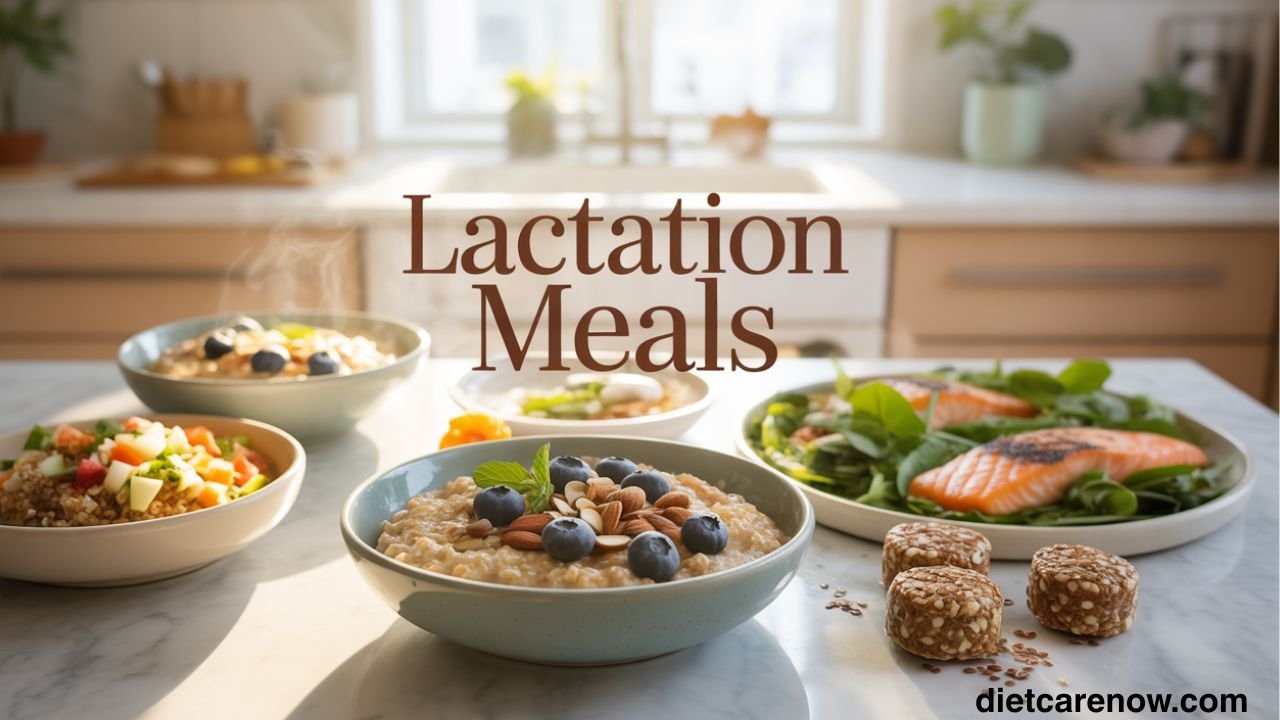
Breastfeeding is one of the most important stages in a mother’s journey, and good nutrition plays a direct role in making it smoother. When a mother eats well, her body has the strength to recover from childbirth and the fuel to produce enough milk for her baby. Although your body can produce milk even on a modest diet, eating the right foods can make you feel stronger, more energized, and better supported.
Certain foods can naturally support milk production. These are often called lactogenic or galactagogue foods. They are rich in nutrients that help your body create, maintain, and improve milk supply. At the same time, a balanced diet helps you stay nourished, which indirectly supports consistent breastfeeding.
There are also many myths around lactation diets. One common myth is that mothers must drink large amounts of milk to produce milk. In reality, hydration matters, but the body does not rely on dairy to create breastmilk. Another myth is that spicy food is always harmful. While some babies may react to specific ingredients, most mothers can enjoy a wide range of foods without any issues. Understanding what truly helps and what does not can make your breastfeeding journey more relaxed and confident.
Key Nutrients Needed for Breastfeeding Mothers
Here are the nutrients that matter most:
Protein
Protein supports tissue repair, hormone balance, and milk production. Foods like eggs, lean meat, lentils, beans, Greek yogurt, and tofu help meet your daily needs. Breastfeeding mothers often require an additional 20 to 25 grams of protein per day.
Calcium
Calcium is essential for bone strength for both mother and baby. Since your body prioritizes your baby, you must consume enough to maintain your own bone health. Good sources include yogurt, fortified plant milk, sesame seeds, almonds, and leafy greens.
Healthy Fats
Healthy fats support brain development in babies and give mothers long-lasting energy. Omega-3 fats found in salmon, chia seeds, and walnuts are especially helpful.
Iron
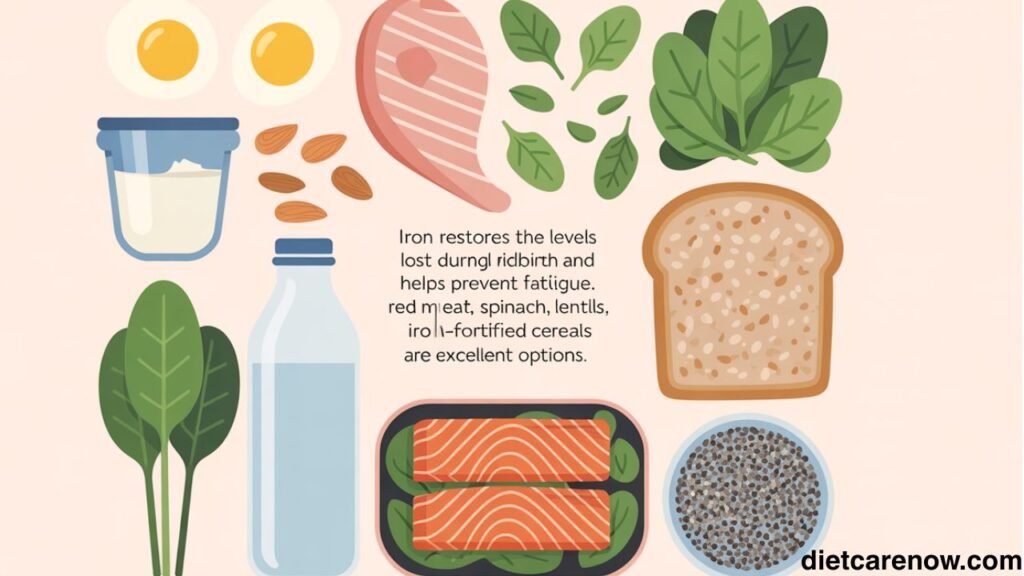
Iron restores the levels lost during childbirth and helps prevent fatigue. Red meat, spinach, lentils, and iron-fortified cereals are excellent options.
Hydration
Breastmilk is mostly water, which means hydration has a strong link with milk supply. Water, herbal teas, and electrolyte-rich drinks help keep you hydrated throughout the day.
How Deficiencies Affect Milk Production
A deficiency in key nutrients can leave mothers feeling tired, weak, and unable to maintain a steady milk supply. While a short-term deficiency does not suddenly stop milk production, chronic low nutrient intake can affect both the quantity and quality of milk over time. Eating balanced meals ensures your body has what it needs to support your baby and your own health.
Also read: /minestrone-soup-nutrition/
What Are Lactation Meals?
Lactation meals are nutrient-dense foods designed to support breastfeeding mothers. They focus on ingredients that have been traditionally known to promote milk supply, improve energy, and help with postpartum recovery.
Purpose of Lactation Meals
The goal is not only to boost milk production, but also to support long-term health. These meals include whole ingredients rich in protein, good fats, vitamins, minerals, and lactogenic herbs.
How They Differ From Regular Healthy Meals
A regular, healthy meal is balanced and nourishing. A lactation meal takes that a step further. It includes galactagogue foods such as oats, fenugreek, flaxseed, brewer’s yeast, barley, and leafy greens, along with hydration-supportive ingredients.
When to Start Eating Lactation Meals
Most mothers can begin eating lactation-focused meals right after childbirth. Some choose to start even before delivery to prepare the body for breastfeeding. There is no strict timeline, but starting early helps support your postpartum recovery.
Best Lactogenic Foods to Include
Lactogenic foods have been used for generations in many cultures. These ingredients support milk supply naturally and safely.
Oats
Oats are rich in iron, fiber, and complex carbohydrates. They help stabilize energy levels and are one of the most popular lactogenic foods.
Fenugreek
Fenugreek seeds and leaves have a long history of helping with milk supply. Many mothers notice results within a few days, although it is best to consume fenugreek in moderate amounts.
Fennel
Fennel seeds and bulbs support digestion for both mom and baby. They may also help with milk flow.
Brewer’s Yeast
This ingredient is packed with B vitamins, iron, chromium, and protein. It is often added to lactation cookies and smoothies.
Whole Grains
Barley, brown rice, quinoa, and whole wheat contain complex carbs that help maintain steady energy throughout the day.
Leafy Greens
Spinach, moringa leaves, kale, and collard greens provide iron, calcium, and antioxidants.
Nuts and Seeds
Almonds, walnuts, sesame seeds, chia, and flaxseeds offer protein and healthy fats.
Milk-Boosting Herbs and Spices
Herbs like moringa, blessed thistle, turmeric, ginger, and cumin are often included in cultural postpartum meals.
Foods to Avoid While Breastfeeding
While mothers do not need to follow strict food restrictions, some foods may affect the baby.
Foods That May Cause Fussiness
Certain foods like cabbage, onions, or beans can sometimes cause gas or discomfort in babies. This varies from baby to baby, so monitor reactions rather than eliminate these foods.
Caffeine
Moderate caffeine is usually safe, but very high amounts may lead to restlessness in babies. Most experts recommend staying within 200 to 300 mg per day.
Alcohol
If you choose to drink alcohol, allow enough time for it to clear from your system before breastfeeding. Many mothers use the “wait and pump” method for safety.
Common Allergens
Some babies react to common allergens such as cow’s milk, eggs, peanuts, or soy. If you notice symptoms like rashes or unusual fussiness, speak with a healthcare provider before making dietary changes.
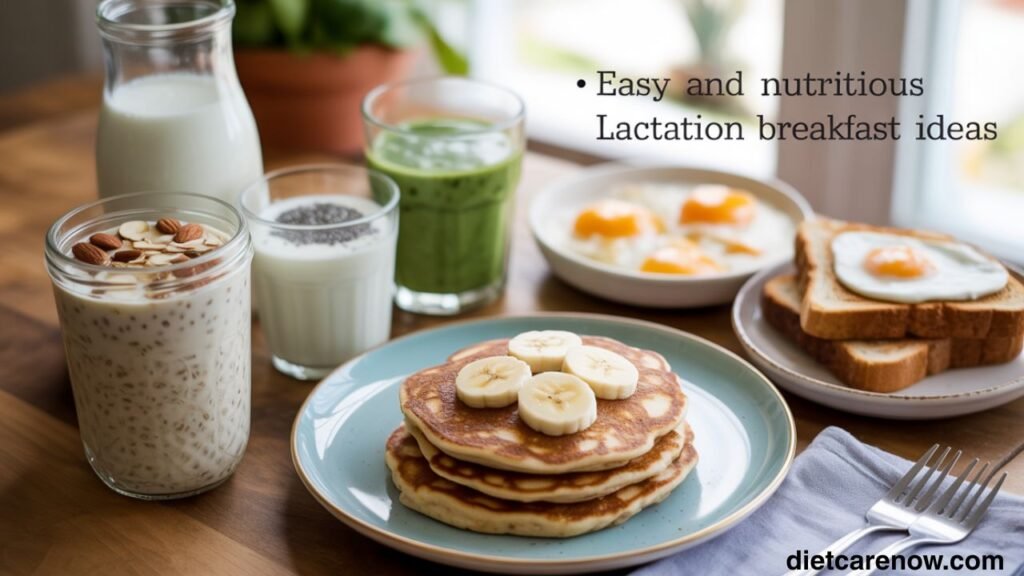
Easy and Nutritious Lactation Breakfast Ideas
Mornings can be busy, especially with a newborn. These breakfast ideas are quick and nourishing.
Quick Oats Recipes
• Oatmeal topped with almonds, flaxseed, and berries
• Oat pancakes with banana and chia seeds
• Overnight oats made with yogurt and walnuts
Smoothies
• Spinach and banana smoothie
• Mango lactation smoothie with oats and brewer’s yeast
• Berry protein shake with chia seeds
Protein-Rich Morning Meals
• Scrambled eggs with spinach and whole-grain toast
• Greek yogurt bowl with granola, dates, and seeds
• Cottage cheese with fruit and nuts
Satisfying Lactation Lunch Recipes
Lunch is a great time to enjoy warm, nourishing meals that keep you full.
Grain Bowls
• Brown rice bowl with chickpeas, avocado, and pumpkin seeds
• Quinoa bowl with salmon, spinach, and sesame
Protein-Packed Salads
• Lentil salad with parsley, lemon, and olive oil
• Chicken salad with walnuts and cranberries
Warm Soups
• Lentil soup with fennel and carrots
• Chicken and barley soup
• Spinach and potato soup with cumin
Healthy Lactation Dinner Options
Dinner can be simple yet powerful for postpartum recovery.
Balanced Meals
• Grilled chicken with quinoa and roasted vegetables
• Baked salmon with sweet potatoes and greens
• Stir-fried tofu with brown rice and sesame
Slow Cooker Meals
• Chicken stew with barley and herbs
• Vegetable lentil curry
• Beef and vegetable slow-cooked soup
High-Energy Options
These meals help restore calories lost during breastfeeding
• Peanut stew with spinach
• Pasta with meat sauce and leafy greens
Snacks That Support Milk Production
Snacks help keep energy stable between feedings.
Energy Bites
Made with oats, dates, peanut butter, and flaxseed.
Protein Bars
Choose bars with nuts, seeds, and whole ingredients.
Nut and Seed Mixes
Almonds, pumpkin seeds, raisins, walnuts, and sunflower seeds.
Yogurt Bowls
Greek yogurt with banana slices and chia seeds.
Fruit Bowls
Mango, papaya, apples, and pears with sesame seeds.
Hydrating Drinks to Boost Milk Supply
Hydration is deeply connected to milk production.
Lactation Teas
Many teas include fenugreek, fennel, blessed thistle, and ginger. They help with digestion and hydration.
Smoothies and Juices
Fruit smoothies with oats, greens, and flaxseeds offer both hydration and nutrients.
Water and Electrolytes
Keeping a water bottle near you during feedings makes it easy to stay hydrated. Electrolyte drinks can help on hot days or after long nursing sessions.

Meal Prep Tips for Breastfeeding Moms
Planning and preparing meals ahead can remove stress from your day.
Make-Ahead Snacks
Prepare energy bites, chopped fruits, and yogurt jars during the weekend.
Batch Cooking
Cook large portions of soups, stews, or lentils. Store them in containers for easy reheating.
Freezer-Friendly Meals
• Whole-grain muffins
• Chicken and vegetable soups
• Oat bars
• Pre-marinated proteins
Cultural Lactation Foods Around the World
Different cultures have their own traditions for supporting breastfeeding mothers.
South Asian Foods
• Fenugreek curry
• Ajwain water
• Panjiri made with whole wheat, ghee, nuts, and herbs
Middle Eastern Foods
• Date smoothies
• Sesame-based sweets
• Lamb broth
African Traditions
• Moringa leaves cooked with vegetables
• Millet porridge
Eastern Traditions
• Bone broth soups
• Rice porridges
Western Practices
• Oatmeal cookies with flax and brewer’s yeast
• Smoothies with chia and spinach
Common Challenges With Milk Supply
Why Some Mothers Experience It
• Stress
• Lack of rest
• Hormonal imbalances
• Infrequent nursing
• Nutritional gaps
When Diet Helps
If the issue is related to hydration, fatigue, or nutrient deficiency, diet often helps.
When Medical Advice Is Required
If breastfeeding is painful, the baby is not gaining weight, or supply does not improve despite regular feeding, a lactation consultant or healthcare provider can offer guidance.
Understanding Growth Spurts
Babies often cluster feed during growth spurts. This can feel like low supply, but it is usually temporary.

Sample 7-Day Lactation Meal Plan
A simple meal plan to help you stay nourished and energized.
Day 1
Breakfast: Oats with almonds
Lunch: Quinoa salad
Dinner: Baked salmon
Snack: Yogurt bowl
Day 2
Breakfast: Smoothie with oats
Lunch: Lentil soup
Dinner: Chicken stir fry
Snack: Nut mix
Day 3
Breakfast: Eggs with spinach
Lunch: Brown rice bowl
Dinner: Vegetable curry
Snack: Energy bites
Day 4
Breakfast: Greek yogurt with chia
Lunch: Chickpea salad
Dinner: Grilled fish
Snack: Fruit bowl
Day 5
Breakfast: Oat pancakes
Lunch: Chicken barley soup
Dinner: Tofu and rice
Snack: Protein bar
Day 6
Breakfast: Cottage cheese and fruit
Lunch: Lentil salad
Dinner: Pasta with greens
Snack: Almonds and raisins
Day 7
Breakfast: Mango smoothie
Lunch: Quinoa and vegetable bowl
Dinner: Slow cooker stew
Snack: Oat cookies
Conclusion and Encouragement for Breastfeeding Moms
Breastfeeding requires patience, energy, and emotional strength. The right meals can help you stay nourished, energized, and confident. Eating balanced lactation meals is not about perfection. It is about giving your body steady, wholesome support while caring for your baby.
Remember to listen to your body, eat when hungry, stay hydrated, and enjoy a variety of foods. Your well-being matters, and taking care of yourself helps you take care of your baby. Stay gentle with yourself and celebrate each day of your breastfeeding journey.