

Flour is one of the most widely used ingredients in kitchens around the world. It’s the base of bread, pasta, roti, pastries, and countless everyday meals. Because we tend to eat flour in some form almost every day, its nutrition matters far more than most people realize.
At its core, flour is simply a powder made by grinding grains, nuts, seeds, or roots. Wheat flour is the most common, but many other varieties exist, including oat, rice, chickpea, coconut, and almond flour. Each type offers a different nutritional profile, texture, and cooking role.
Understanding the nutrition of flour helps you make better choices for your health. Flour Nutrition Facts: Whether you are trying to manage blood sugar, increase protein, or improve digestion, the flour you choose can make a big difference. Once you understand what is inside each type, you’ll be able to pick the one that matches your health goals and cooking needs.
History of Flour and Its Role in the Human Diet
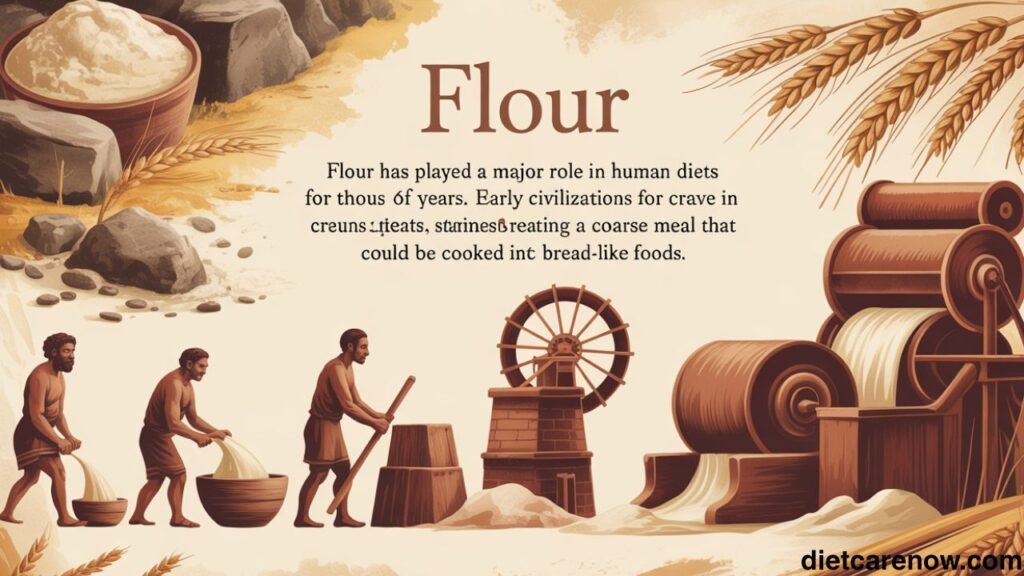
Flour has played a major role in human diets for thousands of years. Early civilizations learned to crush grains using stones, creating a coarse meal that could be cooked into bread-like foods. This simple discovery changed human nutrition forever. Grains became reliable sources of calories, allowing societies to grow and thrive.
As technology evolved, milling shifted from stone-ground methods to steel roller mills. Modern milling produces finer flour and greatly increases yield, but it also removes parts of the grain that contain nutrients.
Despite the rise of low-carb diets, flour remains essential today because it is affordable, versatile, and energy-dense. It continues to be a global staple, especially in whole grains that provide valuable fiber, vitamins, and minerals.
Also read: /best-running-snacks/
Understanding How Flour Is Made
To understand flour nutrition, it helps to know how flour is produced.
Grain Structure
A whole grain has three main parts:
- Germ – The nutrient-packed core containing vitamins, healthy fats, and minerals.
- Endosperm – The starchy middle that provides carbohydrates and some protein.
Refined vs. Whole Grain Processing
- Whole-grain flour contains all three parts, making it higher in nutrients and fiber.
- Refined flour removes the bran and germ, leaving mostly the endosperm.
How Milling Impacts Nutrition
Modern milling gives flour a finer texture and longer shelf life. However, it also strips away many nutrients that naturally occur in grains. This is why many refined flours are “enriched” later with added vitamins and minerals like iron and folic acid.
Basic Nutritional Profile of Flour
Although the exact nutrition varies by type, most grain-based flours share a similar base profile.
Calories
Most wheat-based flours provide 350–400 calories per 100 grams, mainly from carbohydrates.
Macronutrients
- Carbohydrates: 70–76%
- Protein: 8–14% depending on the flour
- Fat: Usually low, around 1–2%
Fiber Content
- Whole wheat flour: High in fiber
- Refined flour: Very low in fiber due to the removal of bran
Vitamins and Minerals
Flour can contain:
- B vitamins (niacin, thiamine, riboflavin)
- Iron
- Magnesium
- Selenium
- Folate
But whole-grain flours contain these naturally, while refined flours may rely on enrichment.
Whole Wheat Flour: Nutritional Breakdown
Whole wheat flour is often considered the most nutritious standard flour because it keeps the entire grain intact.
Key Nutrients
Whole wheat flour offers:
- High fiber
- More protein than all-purpose flour
- Natural B vitamins
- Iron, magnesium, and zinc
- Antioxidants
Health Benefits
- Supports digestion
- Helps control blood sugar
- Keeps you full longer
- Helps with weight management
- Supports heart health due to fiber content
Impact on Digestion and Blood Sugar
Whole wheat digests more slowly than refined flour, leading to a steadier release of energy and lower blood sugar spikes. This makes it a better choice for people managing diabetes or weight.
All-Purpose Flour: What It Contains
All-purpose flour is the most common flour used in everyday baking and cooking. It’s made from refined wheat, meaning the bran and germ are removed.
Nutrients Retained and Lost
- Lost: Fiber, natural B vitamins, healthy fats, and minerals
- Retained: Mostly starch and some protein
Enriched vs. Non-Enriched Flour
Enriched flour has nutrients added back, usually:
- Iron
- Folic acid
- Niacin
- Thiamine
While enrichment improves nutrient content, it doesn’t replace fiber or healthy fats.
Pros and Cons
Pros:
- Great for baking
- Light texture
- Affordable
Cons:
- Low fiber
- Quick digestion causes blood sugar spikes
- Less nutritious than whole-grain options

Gluten Content in Different Types of Flour
Gluten is a protein found in wheat, barley, and rye. It gives dough its structure and elasticity.
High-Gluten vs Low-Gluten Flours
- Bread flour: High gluten
- All-purpose flour: Moderate gluten
- Cake flour: Low gluten
- Gluten-free flours: No gluten
Effects on Baking and Health
- Higher gluten helps bread rise.
- Lower gluten gives softer, more delicate baked goods.
- People with celiac disease or gluten sensitivity must avoid gluten-containing flours.
Alternative and Gluten-Free Flours: Nutrition Overview
Many people turn to alternative flours for health benefits or gluten-free needs. Here’s what they offer:
Almond Flour
- High in protein and healthy fats
- Low carb
- Great for low-carb diets
Coconut Flour
- High in fiber
- Lower in carbs than wheat
- Absorbs a lot of liquid
Oat Flour
- Rich in soluble fiber
- Helps lower cholesterol
- Mild flavor
Rice Flour
- Gluten-free
- Light texture
- Lower in nutrients than whole-grain flours
Millet Flour
- Good source of magnesium
- Gluten-free
- Mild, slightly sweet flavor
Sorghum Flour
- Rich in antioxidants
- High in protein
- Gluten-free
Chickpea Flour
- High protein
- High fiber
- Ideal for healthy savory dishes
Each flour has different uses, so choosing the right one depends on texture, nutrition, and cooking method.
Glycemic Index of Different Flours
Why GI Matters
Choosing low-GI flours helps maintain steady energy and supports diabetes management.
High-GI Flours
- White flour
- Rice flour
- Tapioca flour
These digest quickly and spike blood sugar.
Low-GI Options
- Whole wheat flour
- Oat flour
- Chickpea flour
- Almond flour
- Sorghum flour
These digest more slowly due to higher fiber, fat, or protein content.
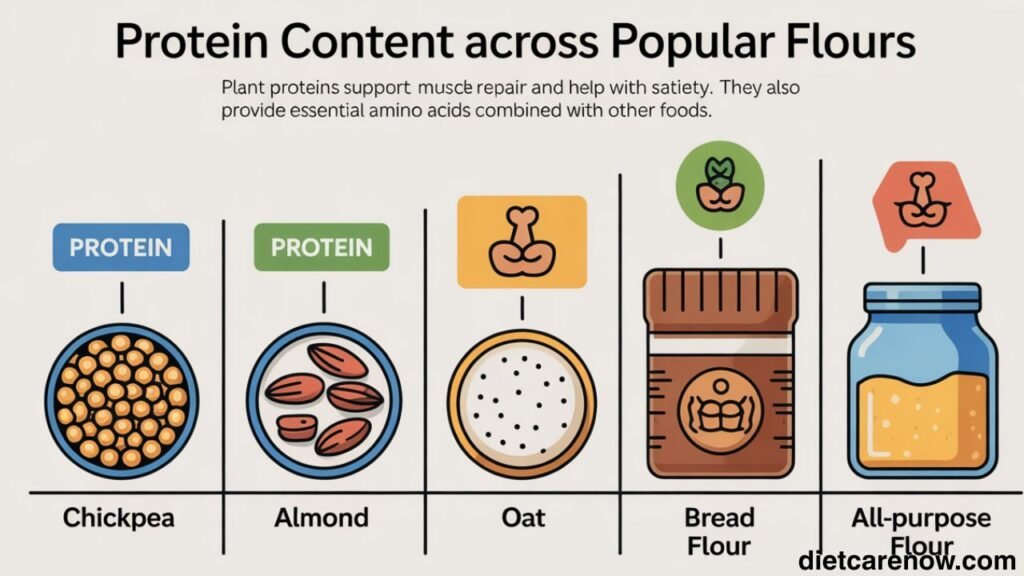
Protein Content Across Popular Flours
Protein content varies widely:
- Bread flour: 12–14%
- All-purpose flour: 10–12%
- Whole wheat flour: 13–14%
- Chickpea flour: 20% or more (very high)
- Almond flour: Around 21%
- Oat flour: 17%
Plant-Based Protein Benefits
Plant proteins support muscle repair and help with satiety. They also provide essential amino acids when combined with other foods.
Ideal Flours for Fitness Enthusiasts
- Chickpea flour
- Almond flour
- Whole wheat flour
- Oat flour
These provide a balance of protein, complex carbs, and fiber.
Fiber Comparison: Which Flours Support Gut Health?
Fiber is essential for digestion and gut health.
Role of Fiber in Digestion
- Supports bowel regularity
- Keeps you full longer
- Helps manage blood sugar
- Supports a healthy gut microbiome
Whole Grain vs Refined Flour Fiber Content
- Whole wheat flour: High fiber
- Oat flour: High soluble fiber
- Chickpea flour: Very high fiber
- Refined flour: Very low fiber
Best High-Fiber Choices
- Whole wheat flour
- Oat flour
- Chickpea flour
- Coconut flour (extremely high fiber)
Fortified and Enriched Flours: What’s Added and Why
Fortification and enrichment were introduced to prevent nutrient deficiencies.
Common Added Nutrients
- Iron
- Folic acid
- Niacin
- Thiamine
- Riboflavin
Benefits
These added nutrients support energy metabolism and help prevent anemia and birth defects.
Controversies
- Added nutrients don’t replace the natural fiber lost during refining.
- Some people prefer whole food sources instead of synthetic nutrients.
How Enriched Flour Compares to Whole Grain
Whole grain still wins because it provide natural vitamins, minerals, antioxidants, and fiber.
Health Benefits and Potential Risks of Consuming Flour
Health Benefits
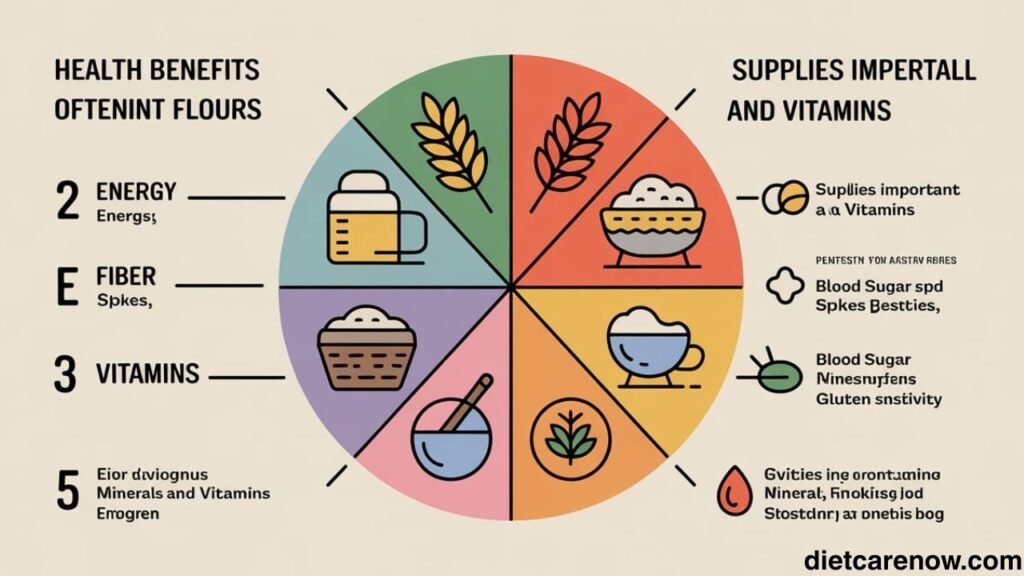
- Provides essential energy
- Supplies important minerals and vitamins
- Offers protein in certain varieties
- Allows for diverse cooking options
Potential Risks
- Refined flour may spike blood sugar
- Gluten may cause problems for sensitive individuals
- Overconsumption can contribute to weight gain
Portion Control and Better Choices
- Choose whole grain or low-GI flours
- Balance flour-based meals with protein and fiber
- Avoid excessive refined flour intake
How to Choose the Right Flour for Your Health Goals
For Weight Loss
- Almond flour
- Coconut flour
- Chickpea flour
- Whole wheat flour
These offer more fiber or protein and keep you full.
For Diabetes Management
- Oat flour
- Chickpea flour
- Almond flour
- Whole wheat flour
Low-GI flours help regulate blood sugar.
For High-Protein Diets
- Chickpea flour
- Almond flour
- Oat flour
- Bread flour (if gluten is tolerated)
For Digestive Health
- Oat flour
- Whole wheat flour
- Coconut flour
Choose high-fiber varieties to support regularity.
Conclusion: Making Healthier Flour Choices for Everyday Cooking
Choosing the right flour isn’t about giving up your favorite foods. It’s about understanding what’s inside each type of flour and how it affects your body. When you know the nutritional differences, you can match your flour choice to your health goals, whether you want more protein, better digestion, or balanced energy.
The key is balance. Use whole-grain and nutrient-dense flours when possible. Mix different flour types for added flavor, texture, and health benefits. Small changes in the flour you use can make a big difference in your overall nutrition.
If you cook regularly, choosing healthier flours is one of the simplest, smartest changes you can make for better long-term health.