
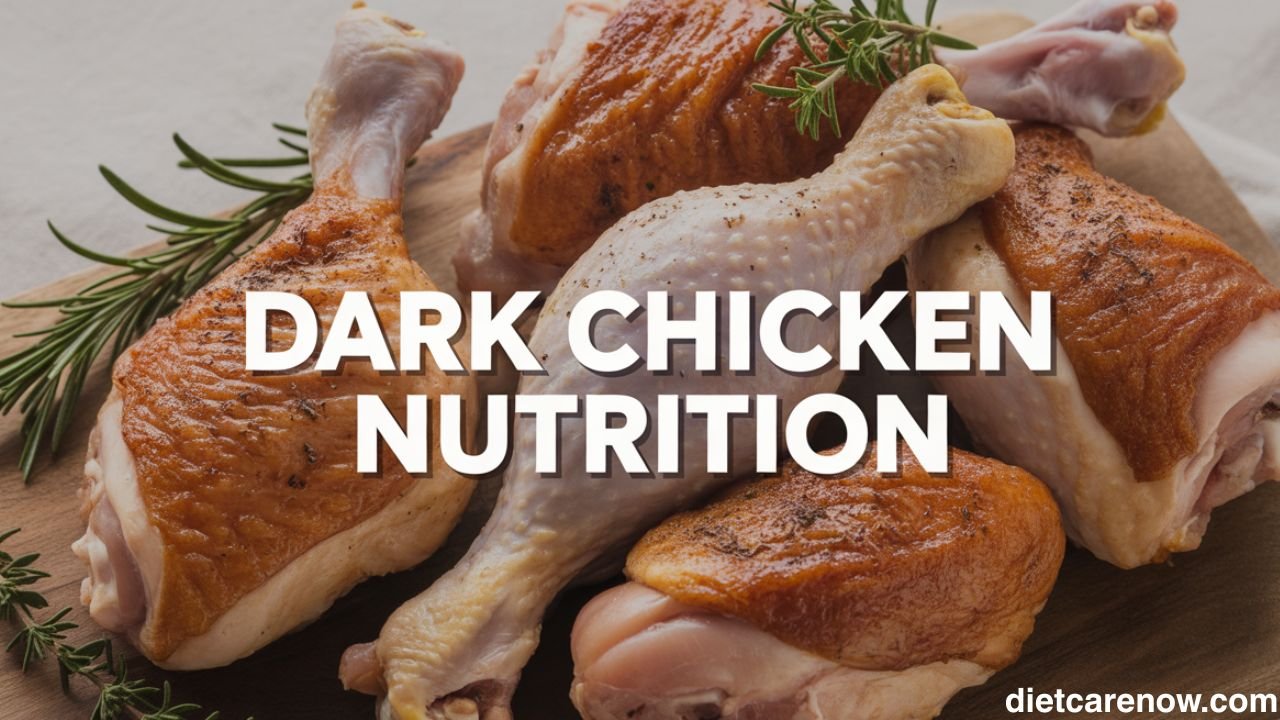
For years, many people believed white chicken meat was the healthier choice. It is lean, mild in flavor, and often recommended in diet plans. Dark chicken meat, on the other hand, was treated like the heavier, less healthy option. That idea is outdated. Dark Chicken Nutrition Today, more nutrition experts and home cooks are turning to dark meat because it offers richer flavor and a deeper nutrient profile without being unhealthy.
White meat usually refers to the breast and wings. Dark meat includes the thighs, legs, and drumsticks. These cuts come from parts of the chicken that work harder, which gives them a darker color and a different texture. What surprises many people is how nutritionally valuable these cuts are. Dark meat contains more iron, zinc, B vitamins, and healthy fats than white meat. These nutrients play important roles in metabolism, energy, and overall health.
As more people focus on balanced diets rather than fear-based food rules, dark chicken is gaining well-deserved appreciation. It is versatile, budget-friendly, and naturally nutrient-dense, which makes it a smart choice for everyday meals.
Nutritional Profile Overview
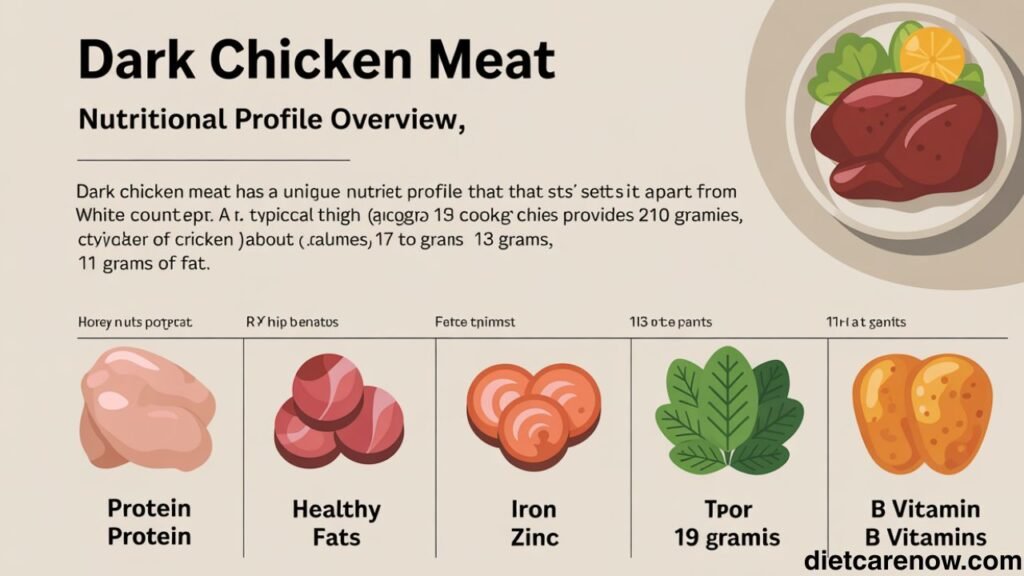
Dark chicken meat has a unique nutrient profile that sets it apart from its white counterpart. A typical serving of cooked chicken thigh (about 100 grams) provides roughly 210 calories, 17 to 19 grams of protein, and 11 to 13 grams of fat. These numbers vary slightly depending on whether the skin is included.
Protein makes up the bulk of its macronutrient value. There is enough protein per serving to support daily muscle repair and energy needs. Dark meat also contains more fat than white meat, but most of these fats are the healthier types the body actually needs. These additional fats make dark meat more tender and satisfying.
On the micronutrient side, dark meat stands out. It offers iron, zinc, and B vitamins like B3, B6, and B12. These nutrients help support oxygen transport, immune function, brain health, and energy metabolism. Compared to white chicken meat, dark meat contains slightly more calories and fat but significantly more vitamins and minerals. This balance makes it a strong option for people who want nutrient-dense meals without sacrificing flavor.
Also read: /community-grains/
Protein Content in Dark Chicken
Protein is one of the main reasons chicken is so widely recommended. Dark chicken meat contains nearly the same amount of protein as white meat. A typical serving provides around 18 grams, which is enough to support muscle repair after exercise, daily maintenance, and overall strength.
Athletes and active individuals often look for high-quality protein sources that offer more than just lean bulk. Dark chicken meat fits this role well. The combination of protein and healthy fats helps maintain steady energy and reduces the rapid hunger spikes that sometimes occur with very lean protein sources. Because the meat is naturally tender, it remains moist after cooking, which also makes meals more enjoyable. Enjoyable meals often lead to better adherence to nutrition goals.
Healthy Fats in Dark Chicken
One of the most misunderstood parts of dark chicken meat is its fat content. While it does contain more fat than white meat, the majority of these fats are monounsaturated and polyunsaturated. These are the same types of fats found in foods like avocados, nuts, and olive oil. They support heart health, energy production, and hormone balance.
Healthy fats are essential for the body. They help absorb fat-soluble vitamins, keep you full longer, and help regulate hormones that affect mood, metabolism, and appetite. Dark meat has a slightly higher fat content than white meat, which contributes to its juicy texture and fuller flavor.
Even when compared side by side, the fat difference between the two is not extreme. A skinless chicken thigh contains about 4 to 5 grams more fat than a skinless chicken breast. This small difference often benefits people who want satisfying meals without excessive calories.
Rich Source of Vitamins
Dark chicken meat shines when it comes to B vitamins. It is packed with B3, B6, and B12. These vitamins play a major role in how the body converts food into energy. B6 and B12 support brain function, help with red blood cell formation, and keep the nervous system functioning smoothly.
Many people take B vitamin supplements because they feel tired or mentally drained. Dark chicken meat offers these vitamins in a natural and absorbable form. The body tends to absorb nutrients from food more efficiently than from synthetic supplements.
Eating dark chicken regularly can support clearer thinking, stronger metabolism, and consistent energy. Since these vitamins are essential for breaking down proteins, fats, and carbohydrates, they work hand in hand with the rest of the nutrient profile found in dark meat.
6. Mineral Density
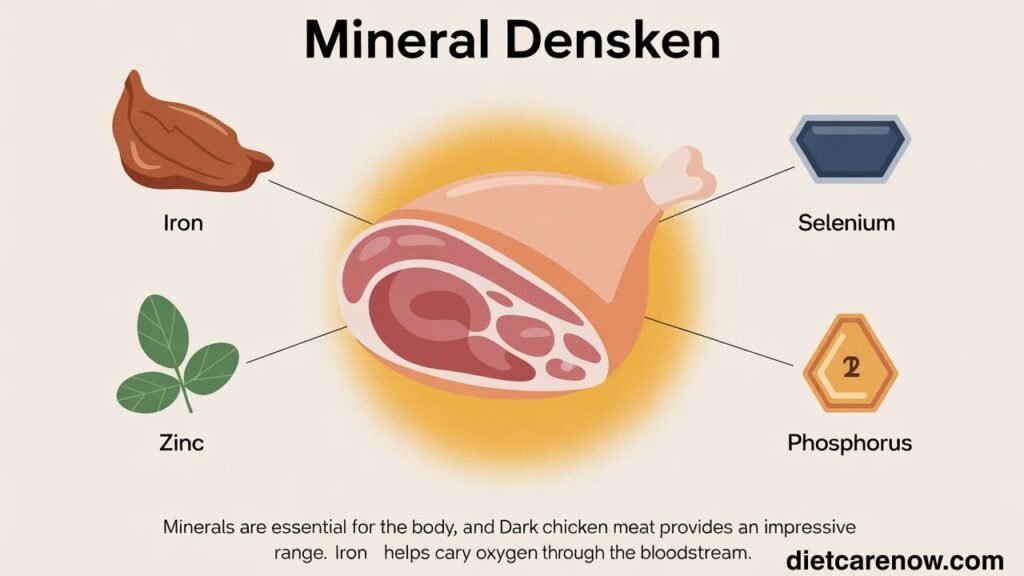
Minerals are essential for the body, and dark chicken meat provides an impressive range. Iron helps carry oxygen through the bloodstream. Zinc strengthens the immune system and aids in healing. Selenium supports thyroid function, while phosphorus plays a key role in bone health.
Many plant-based sources of iron contain non-heme iron, which is harder for the body to absorb. Dark chicken meat contains heme iron, which is much easier to use. This makes it especially helpful for people with low iron levels, frequent fatigue, or mild anemia.
The mineral density of dark meat makes it a strong addition to a balanced diet. Since these nutrients work together to support immunity, oxygen transport, and metabolism, dark chicken offers more than just protein or calories. It provides a complete nutritional package that supports daily function.
Calorie Count and Satiety Factor
Dark chicken meat contains slightly more calories than white meat because of its higher fat content. These extra calories are not a drawback. In many cases, they help improve satiety, reduce cravings, and provide longer-lasting energy.
Fat slows digestion. This means meals that contain some healthy fat help keep you full longer. Instead of feeling hungry an hour after eating, meals with dark meat often lead to more stable energy and fewer urges to snack.
Ideal portion sizes depend on individual needs, but most adults do well with 3 to 4 ounces of cooked dark meat per meal. This amount provides protein, healthy fats, and key nutrients that support overall health.
Dark Chicken for Weight Management
One of the biggest myths about dark chicken meat is that it leads to weight gain. In reality, weight gain comes from consistently overeating, not from eating dark meat. When portioned correctly, dark meat can actually support weight management because it keeps hunger under control and prevents overeating later.
The slightly higher fat content provides steady calories that help prevent energy crashes. People who rely only on very lean meats sometimes experience hunger soon after eating, which can lead to snacking on less nutritious foods.
Dark chicken can easily fit into a balanced weight-loss or weight-maintenance diet. Pair it with vegetables, whole grains, or legumes for meals that are both filling and nutrient-rich.
Heart Health Considerations
Many assume that dark meat is less healthy for the heart, but the science does not support this fear. Most of the fats in dark meat are the heart-friendly kinds. These fats help support good cholesterol and overall cardiovascular function when eaten in moderation.
What people need to limit is excessive saturated fat, which comes mostly from processed foods, added oils, and the skin of poultry. Skinless dark meat contains moderate amounts of fat that fit well into a heart-conscious eating pattern.
Dark chicken can be part of a heart-friendly diet when prepared with low-oil methods like baking, steaming, or grilling. The key is balance. If you already consume a lot of high-fat foods, you may want to choose skinless cuts more often. Otherwise, dark meat is perfectly suitable for regular meals.
Benefits for Anemia and Low Energy
Dark chicken meat is especially valuable for people dealing with low energy, fatigue, or anemia. Its high levels of heme iron and B vitamins help support healthy red blood cells and improve oxygen flow in the body. This makes it a natural choice for people who struggle with low iron intake.
Women, athletes, teens, and individuals with high stress levels often have increased nutrient needs. Dark meat provides iron in a form that absorbs easily, which can help boost energy more effectively than plant-based sources.
People with frequent fatigue may also find relief from the steady energy dark meat provides. The combination of protein, iron, B vitamins, and healthy fats creates a nourishing meal that supports long-term vitality.

Best Cooking Methods for Health
To keep dark chicken meat as healthy as possible, choose cooking methods that do not require excessive oil. Grilling, baking, broiling, steaming, and air frying are great options.
Marinating the meat with herbs, lemon juice, garlic, or yogurt can add flavor without added fat. Seasonings like paprika, black pepper, rosemary, and thyme pair well with dark meat and bring out its natural richness.
If you are using skin-on cuts, you can cook them with the skin to retain moisture and crispness, then remove some or all of the skin before eating if you want to reduce fat intake. This gives you the best of both worlds: flavor and control over calories.
Popular Dark Chicken Cuts and Their Nutrition
Dark chicken includes several cuts, each with its own nutritional advantages.
- Thighs:
Chicken thighs are one of the most popular dark meat cuts. They are tender, flavorful, and offer around 210 calories and 19 grams of protein per 100 grams when cooked. Skinless thighs have less fat, while skin-on thighs have more richness and calories. - Drumsticks:
Drumsticks contain slightly fewer calories than thighs and are great for grilling or baking. The natural shape helps retain moisture during cooking. - Legs:
A whole chicken leg combines the thigh and drumstick. It is one of the most nutrient-dense cuts and is often budget-friendly. - Skin-on vs. skinless:
The skin contains additional fat and calories. Removing the skin reduces fat by nearly half. Both options can fit into a healthy diet, depending on your needs.
Dark Chicken in Different Diets
Dark chicken meat fits into many eating patterns.
- Keto:
Its higher fat content makes it a natural fit for low-carb, high-fat diets. - High-protein diets:
With nearly the same protein as white meat, dark meat supports muscle building and recovery. - Mediterranean diet:
When paired with vegetables, olive oil, and whole grains, dark chicken works well within a Mediterranean-style diet. - Budget-friendly meal planning:
Dark meat is usually more affordable than breast meat, which makes it ideal for families or anyone trying to manage food costs without sacrificing nutrition.

Common Misconceptions About Dark Chicken
There are a few persistent myths about dark chicken meat.
- Myth 1: It is unhealthy because it is fatty
As discussed, the fats in dark meat are mostly healthy. The amount of fat is moderate and beneficial in reasonable portions. - Myth 2: White meat is always better
White meat is leaner, but leaner does not always mean healthier. Dark meat contains more vitamins, minerals, and healthy fats, which give it a stronger nutritional profile.
Science shows both types of meat can fit into a healthy diet. The right choice depends on your nutritional needs, taste preferences, and health goals.
Conclusion and Healthy Meal Ideas
Dark chicken meat offers a nutrient-rich, flavorful, and satisfying option for everyday meals. Its protein supports muscle health. Its fats help with satiety and energy. Its vitamins and minerals contribute to metabolism, brain function, and immunity. When prepared with healthy cooking methods, dark meat becomes a powerhouse food.
Here are a few simple meal ideas to help you get started:
- Lemon herb baked chicken thighs
Season with garlic, thyme, lemon, and pepper. Bake until tender and serve with roasted vegetables. - Grilled drumsticks with yogurt marinade
Marinate in yogurt, cumin, paprika, and salt. Grill until crisp and serve with a fresh salad. - Stir-fried chicken thighs with vegetables
Cut into strips and stir-fry with broccoli, carrots, and a splash of soy sauce. - Mediterranean chicken bowls
Serve baked chicken thighs over brown rice with cucumbers, olives, tomatoes, and a drizzle of olive oil. - Simple seasoned air-fried chicken legs
Season lightly and air fry for a quick, protein-rich meal that works for meal prep.
Choosing dark chicken meat is an easy way to bring more flavor and nutrition to your plate. It supports a balanced lifestyle and offers the kind of steady energy that keeps you going through the day. If you have been avoiding dark meat, now is a great time to enjoy it with confidence.