
Skinless poultry is one of the most popular protein choices in modern diets. It refers to chicken, turkey, duck, or other poultry where the skin has been removed before cooking or eating. Many people prefer it because it’s leaner, lower in fat, and versatile in the kitchen. Whether you’re watching your weight, trying to support heart health, or simply looking for a lighter option, skinless poultry has a lot to offer.
In recent years, health-conscious eaters have been moving away from red meat and fried foods toward leaner proteins. Skinless poultry fits perfectly into this shift. It delivers high-quality protein without the extra fat and calories that often come with the skin. Let’s take a closer look at its nutritional value, benefits, and the best ways to enjoy it.
Nutritional Profile of Skinless Poultry
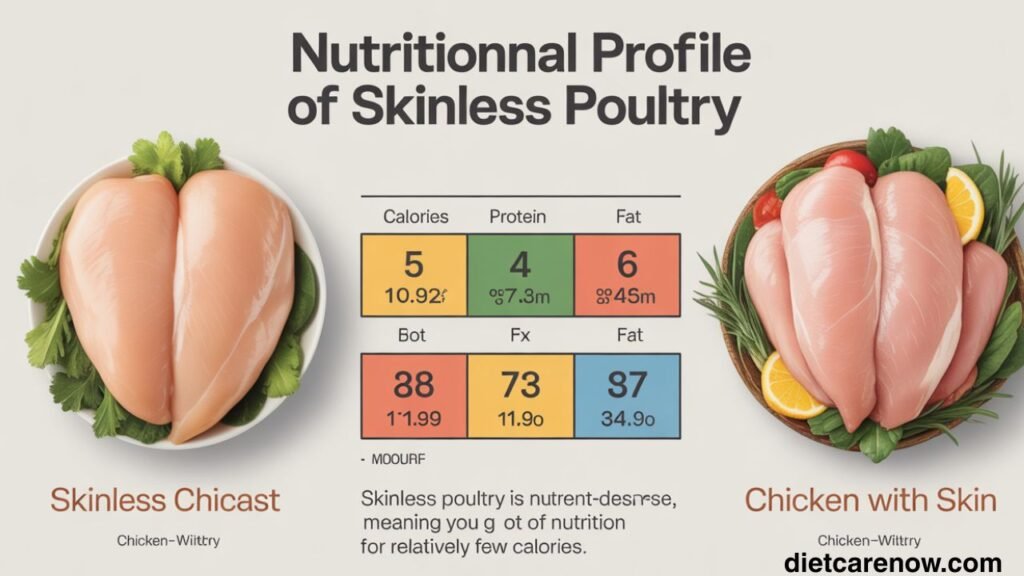
Skinless poultry is nutrient-dense, meaning you get a lot of nutrition for relatively few calories. Here’s a breakdown of what you’ll typically find in 100 grams of cooked, skinless chicken breast:
- Calories: ~165
- Protein: ~31 g
- Fat: ~3.5 g
- Cholesterol: ~85 mg
- Vitamins and minerals: Rich in B vitamins (especially niacin, B6, and B12), phosphorus, selenium, and zinc.
Compared to poultry with skin, the difference is significant. A skin-on chicken thigh can contain twice the fat and almost 50% more calories. The skin holds most of the saturated fat, which is why removing it is a simple way to make poultry a healthier choice.
Turkey offers similar benefits, with slightly higher protein and lower fat than chicken. Duck, while naturally fattier, becomes much leaner when the skin is removed.
Also read: /salmon-cake-nutrition/
Health Benefits of Choosing Skinless Poultry
Lower fat and cholesterol levels
Removing the skin trims down saturated fat, helping to reduce cholesterol intake. This makes it friendlier to your arteries and heart health.
Supports weight loss and lean muscle growth
High in protein but low in calories, skinless poultry helps you feel full while staying in a calorie deficit. For athletes, the protein supports muscle repair and growth.
Heart health advantages
Diets that focus on lean proteins like skinless poultry are linked to lower risks of cardiovascular disease. Pairing it with vegetables and whole grains amplifies these benefits.
Different Types of Skinless Poultry
- Chicken: Available in cuts like breast, thighs, drumsticks, and wings. Chicken breast is the leanest option, but thighs can still be healthy when the skin is removed.
- Turkey: Known for being even leaner than chicken, especially ground turkey breast.
- Duck: Naturally rich but becomes a more balanced choice when served without the fatty skin.
- Other options: Game birds like quail or pheasant also work well without the skin.
Skinless Poultry vs. Skin-On Poultry
Nutritional differences: Skin-on poultry can have up to double the fat content. For example, a roasted chicken leg with skin has around 12 grams of fat, while without skin it drops to about 6 grams.
Cooking method variations: Skin adds crispiness and flavor, but it also adds grease. Without skin, poultry requires more careful cooking to stay moist.
Which is better for specific diets? If you’re following a low-calorie or heart-friendly diet, skinless is the better option. If you’re on a high-fat diet like keto, leaving the skin on may fit your macros better.
Cooking Methods for Skinless Poultry
Skinless poultry adapts well to many healthy cooking methods:
- Grilling: Quick, smoky flavor without added fat.
- Baking: Even cooking, especially for chicken breasts and thighs.
- Boiling or steaming: Retains moisture and is great for soups or shredded meat.
- Air frying: Delivers crispiness with minimal oil.
Tips to keep it juicy:
- Marinate before cooking.
- Avoid overcooking; use a thermometer (165°F / 74°C is safe for poultry).
- Rest the meat for a few minutes after cooking to retain juices.
Common Culinary Uses of Skinless Poultry
Skinless poultry fits into a wide range of dishes:
- Soups and broths: A light but hearty base for noodle soups or chicken soup.
- Curries and stews: Absorbs flavors well without becoming heavy.
- Salads: Adds protein to leafy greens.
- Stir-fries: Quick and healthy with vegetables and rice.
- Global cuisines: From Mediterranean grilled chicken to Asian chicken satay, skinless poultry is a staple across cultures.

Tips to Prevent Dryness When Cooking Skinless Poultry
- Marinate with acids and oils (lemon juice, yogurt, olive oil) to tenderize.
- Cook at the right temperature: Too hot and it dries out, too low and it gets rubbery.
- Add healthy fats: Olive oil or avocado oil can lock in flavor.
- Use spices and herbs: Garlic, rosemary, paprika, and turmeric bring flavor without calories.
Skinless Poultry in Weight Management Diets
Skinless poultry plays a major role in structured meal plans:
- Low-calorie meal planning: Replace red meat with chicken or turkey breast to save hundreds of calories per week.
- Portion control strategies: A serving size is about the size of your palm, usually 3–4 ounces.
- Sample recipe: Grilled chicken breast with quinoa and roasted vegetables makes a balanced 400-calorie meal.
Skinless Poultry and Fitness Enthusiasts
For athletes, skinless poultry is a gold standard:
- Muscle building: Its amino acid profile supports muscle repair after workouts.
- Recovery food: Low fat helps the body digest quickly and deliver protein to muscles.
- Comparison:
- Chicken breast: 31 g protein / 3 g fat per 100 g.
- Beef: 26 g protein / 10 g fat per 100 g.
- Fish: 22 g protein / 5 g fat per 100 g.
Skinless poultry offers one of the best protein-to-calorie ratios available.

Is Skinless Poultry Safe for All Age Groups?
- Kids: Great source of protein and B vitamins for growth.
- Adults: Helps maintain muscle and manage cholesterol.
- Seniors: Easy to chew and digest compared to tougher red meats.
- Pregnant women: Safe and beneficial if cooked thoroughly, offering iron and B vitamins without high fat.
Storage and Handling of Skinless Poultry
- Refrigeration: Store raw poultry in the coldest part of the fridge and cook within 1–2 days.
- Freezing: Wrap tightly to prevent freezer burn.
- Avoid cross-contamination: Always wash hands, knives, and cutting boards after handling raw poultry.
Skinless Poultry in Special Diets
Skinless poultry fits into many modern eating patterns:
- Keto: Use thigh or drumstick meat for higher fat while skipping processed options.
- Paleo: Naturally compliant as long as it’s minimally processed.
- Mediterranean: Grilled or baked poultry pairs well with olive oil and vegetables.
- Low-fat diets: Opt for breast meat to keep fat grams to a minimum.
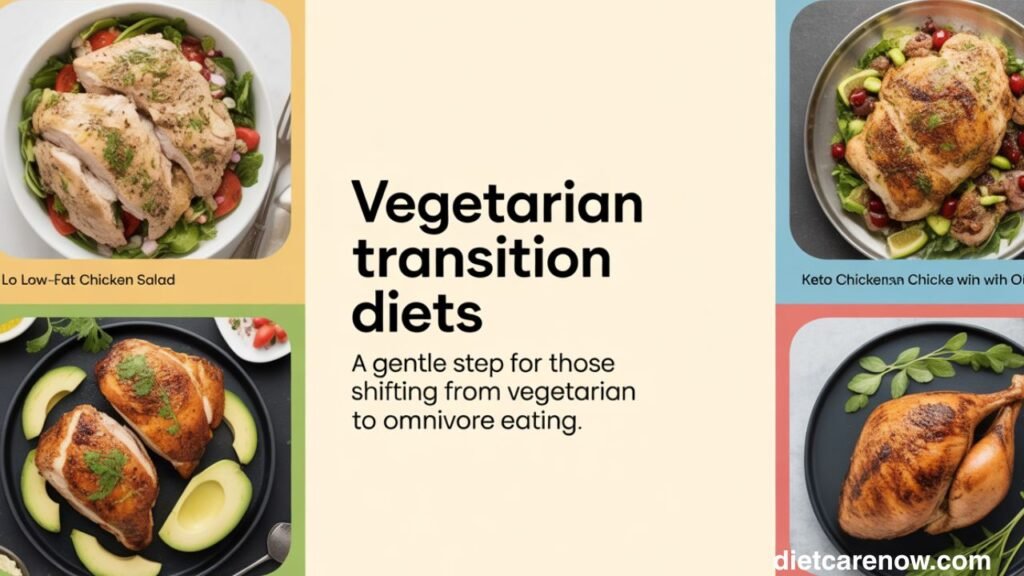
- Vegetarian transition diets: A gentle step for those shifting from vegetarian to omnivore eating.
Potential Downsides and Considerations
- Taste differences: Some people miss the crispiness of skin.
- Risk of overcooking: Skinless cuts dry out faster if not watched carefully.
- Processed vs. fresh: Pre-packaged or breaded “skinless poultry” may contain sodium, fillers, and preservatives. Fresh, minimally processed options are always healthier.
Conclusion: Why Skinless Poultry is a Smart Choice
Skinless poultry offers a winning combination of nutrition, taste, and versatility. By removing the skin, you cut back on unnecessary fat and calories while still getting a rich source of protein, vitamins, and minerals. It supports weight management, heart health, and muscle growth, making it suitable for almost every diet.
With so many cooking methods and cuisines to explore, skinless poultry can be both exciting and practical. Whether you’re grilling chicken breasts for a quick dinner or simmering turkey in a hearty soup, it’s a smart and healthy choice for the whole family.