

Pre-workout supplements are popular among people who want more energy, better endurance, and stronger focus during training. Best Pre-Workout Tips While many lifters rely on them for strength workouts, more cardio athletes have started using pre-workouts to improve performance during running, cycling, HIIT, and other activities that elevate heart rate for extended periods.
The idea behind pre-workout is simple. It combines ingredients that support energy production, blood flow, and mental alertness. These benefits can help you push harder during cardio sessions where fatigue usually kicks in early.
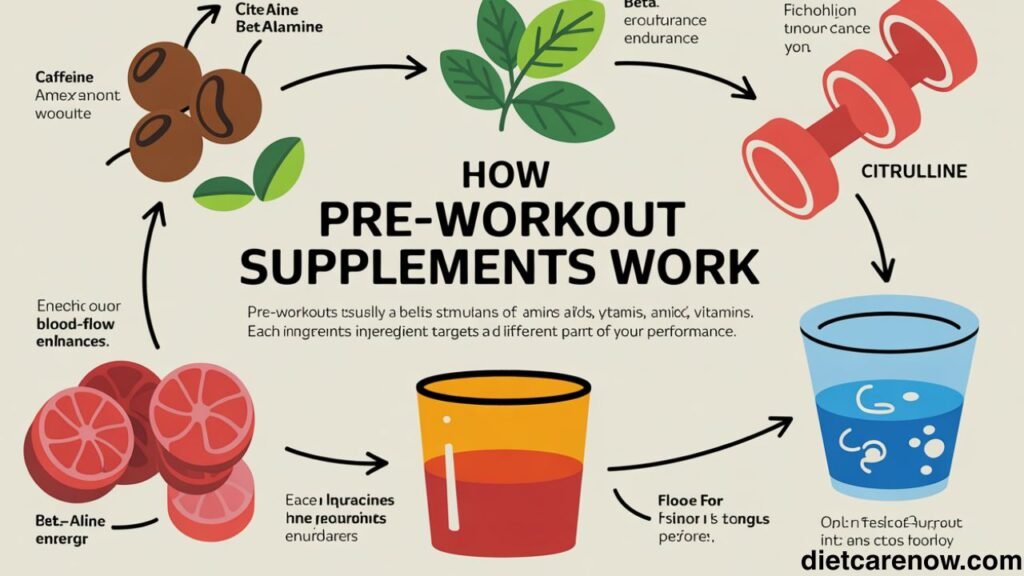
How Pre-Workout Supplements Work
Pre-workouts usually contain a blend of stimulants, amino acids, vitamins, and blood-flow enhancers. Each ingredient targets a different part of your performance.
Here are the most common and research-supported components:
Caffeine
Caffeine is the backbone of most pre-workouts. It stimulates the central nervous system, increases alertness, and improves energy levels. Studies show it enhances endurance and reduces the feeling of effort, making cardio feel more manageable.
Beta-Alanine
This amino acid helps buffer acid buildup in muscles during high-intensity exercise. It delays fatigue, particularly during HIIT or sprint intervals.
Citrulline or Citrulline Malate
These increase nitric oxide levels, which boost blood flow and allow your heart and muscles to work more efficiently during longer cardio sessions.
Electrolytes
They help maintain fluid balance, prevent cramping, and support heart rhythm.
Tyrosine
Useful for mental focus and stress resistance during long training sessions.
Creatine (Sometimes Included)
Creatine is more beneficial for strength training than for cardio, but some blends include it to support overall performance.
Together, these ingredients help you feel more energized, more alert, and less fatigued while performing any form of cardiovascular exercise.
Also read: /best-running-snacks/
Benefits of Taking Pre-Workout Before Cardio
Many people feel stronger and more capable during cardio after taking pre-workout, and research supports several measurable advantages.
Improved Stamina
Caffeine and beta-alanine help your body work longer before fatigue sets in.
Better Heart Rate Efficiency
Some nitric oxide boosters improve circulation, helping your heart pump oxygen more effectively.
Enhanced Fat-Burning
Caffeine increases thermogenesis, which slightly boosts calorie burn during steady-state and HIIT workouts.
Greater Motivation and Focus
Cardio can get repetitive. Pre-workout ingredients help maintain alertness and motivation throughout the session.
More Intense and Consistent Workouts
People often find they push harder and maintain a faster pace when their energy is elevated.
Potential Downsides and Risks
Even with benefits, pre-workout is not ideal for everyone. Some individuals experience noticeable side effects, especially during high-intensity cardio.
Jitteriness or Anxiety
High caffeine content can make you feel shaky, nervous, or overstimulated.
Increased Heart Rate
Cardio already elevates your heart rate. Stimulants may push it higher than what feels comfortable or safe.
Caffeine Sensitivity
Some people metabolize caffeine slowly and may experience headaches, palpitations, or nausea.
Dehydration
Caffeine has mild diuretic effects, and intense cardio causes fluid loss. Without proper hydration, fatigue or cramping can occur.
Upset Stomach
Some ingredients, especially niacin and artificial sweeteners, may cause digestive discomfort.
Being aware of these risks helps you choose the right pre-workout and dosage.
Pre-Workout Ingredients That Boost Cardio
Certain ingredients are especially beneficial for cardiovascular endurance.
Caffeine
Boosts alertness, energy, and perceived effort.
Beta-Alanine
Reduces muscle burn during high-intensity intervals.
Citrulline Malate
Helps more blood and oxygen reach your muscles.
Electrolytes (Sodium, Potassium, Magnesium)
Support hydration and prevent cramps.
Beet Root Extract
Increases nitric oxide levels naturally and may boost endurance.
B Vitamins
Help convert food into energy.
These ingredients are generally safe when used in normal doses and have been widely studied in sports performance research.
Ingredients to Avoid Before Cardio
Some ingredients are not ideal for cardio sessions, especially high-intensity workouts.
Excessive Stimulants
Anything with very high caffeine (300 mg or more per scoop) can push your heart rate too high.
Niacin (High Doses)
This can cause flushing, itching, and stomach discomfort.
Yohimbine
A strong stimulant that may cause anxiety and a rapid heart rate.
Artificial Sweeteners (Too Much)
It can cause bloating or stomach upset during running or cycling.

How Long Before Cardio You Should Take Pre-Workout
Most pre-workouts work best when taken 20 to 45 minutes before exercise. This timing allows caffeine and other ingredients to reach peak effectiveness during your workout.
Here are quick guidelines:
- Fast-absorbing liquid pre-workout: 15 to 20 minutes before.
- Powder pre-workout mixed with water: 25 to 35 minutes before.
- Large meals with pre-workout: Give yourself up to 45 minutes.
Taking it too late may delay the energy boost. Taking it too early may cause the effects to wear off before your session ends.
Pre-Workout for Different Types of Cardio
Not all cardio is the same, and your pre-workout needs may shift depending on intensity and duration.
Running
Moderate caffeine and beta-alanine are helpful. Avoid anything that causes stomach discomfort.
Cycling
Stimulants and nitric oxide boosters help maintain pace and power over long distances.
HIIT
Beta-alanine and caffeine are especially effective for intense intervals.
Jump Rope
You want energy without too much jitteriness. A low-stim blend works well.
Long-Distance Endurance
Electrolytes and nitric oxide boosters are more important than heavy stimulants.
Tailoring your pre-workout to your cardio style ensures better performance and comfort.
Natural Pre-Workout Options for Cardio
If you prefer whole food options or want to avoid artificial ingredients, several natural choices provide clean energy.
Coffee
A simple and effective caffeine source.
Bananas
Provide natural sugars and potassium for muscle function.
Honey Water
Quick carbohydrate source that boosts energy.
Beetroot Juice
Known for supporting blood flow and endurance.
Oats
Slow-digesting carbs that deliver steady energy.
Coconut Water
Replenishes electrolytes without processed additives.
These options suit people who want lighter stimulation without common supplement side effects.
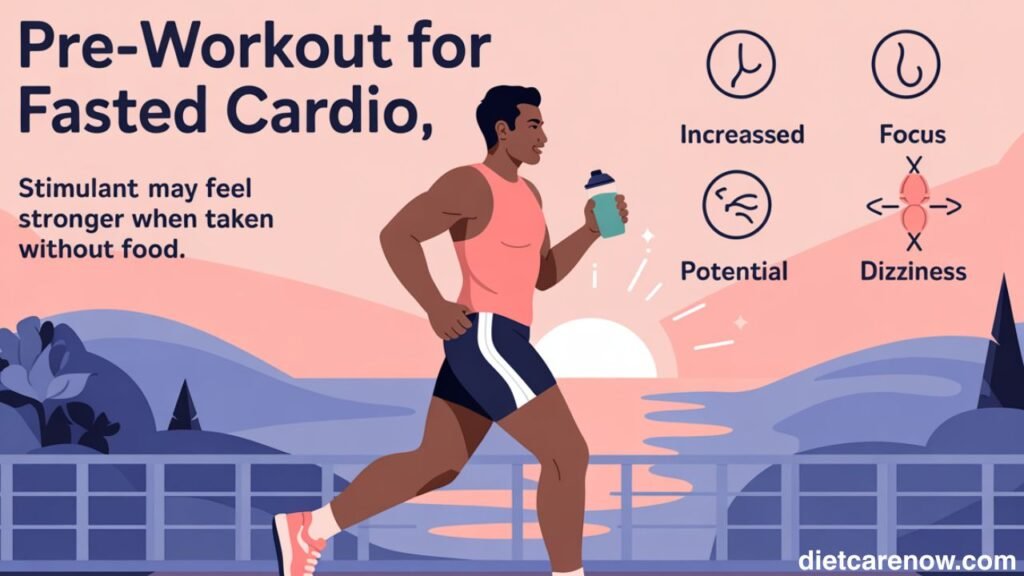
Pre-Workout for Fasted Cardio
Fasted cardio means training without eating first, usually in the morning. Some people take pre-workout during fasted cardio to stay energized.
Pros
- Better focus and alertness.
- Helps maintain intensity despite an empty stomach.
Cons
- Stimulants may feel stronger when taken without food.
- Some people experience nausea or dizziness.
- May increase cortisol levels, especially with heavy stimulants.
If you choose pre-workout during fasted cardio, go with a low to moderate caffeine dose and avoid ingredients that may irritate your stomach.
Best Pre-Workout Foods to Pair with Cardio
A small snack can help fuel your workout without making you feel heavy.
Great Pre-Cardio Snack Choices
- A banana with a teaspoon of honey
- A slice of whole-grain toast with peanut butter
- A small bowl of oats
- A rice cake with almond butter
- A handful of dried fruit
Choosing light carbs helps maintain energy without causing bloating or stomach cramps during movement.
Hydration Importance Before Cardio
Hydration plays a major role in performance, especially if your pre-workout contains caffeine.
Why hydration matters
- Improves blood flow
- Supports heart function
- Helps regulate body temperature
- Prevents cramping
- Maintains steady energy levels
Aim to drink:
- 300 to 500 ml of water about 30 minutes before cardio
- Add electrolytes if your session lasts longer than an hour or includes intense intervals
Water and proper hydration enhance performance even without supplements.
Who Should Avoid Pre-Workout Before Cardio
Pre-workout isn’t suitable for everyone. Some people should avoid stimulants or certain ingredients for safety.
Avoid or talk to a doctor if you have:
- Heart conditions
- High blood pressure
- Anxiety disorders
- Arrhythmias
- Pregnancy
- Caffeine sensitivity
Children and teenagers should also avoid high-stim supplements unless advised by a healthcare professional.

How to Choose the Right Pre-Workout for Cardio
Choosing the right product can make a big difference in safety and comfort.
What to look for
- Transparent ingredient labels
- Moderate caffeine (150–200 mg per serving)
- No proprietary blends
- Electrolytes included
- Simple ingredient lists
- Clinically studied doses of citrulline or beta-alanine
Red flags
- Extremely high stimulant content
- Hidden blends
- Artificial dyes
- High niacin
Reading labels carefully helps you avoid unpleasant surprises during your cardio routine.
Final Thoughts & Safe Usage Tips
Taking pre-workout before cardio can improve your energy, endurance, and motivation, but it works best when used smartly. Not everyone needs it, and some people perform just as well with natural options like coffee or fruit.
Quick safety tips
- Start with half a scoop if you’re new.
- Stay hydrated before and during cardio.
- Avoid taking it late in the evening.
- Listen to your body if your heart rate feels too high.
- Choose brands with transparent labeling.
Pre-workout can be a helpful tool, but it’s not a requirement for a good cardio session. Use it wisely, stay consistent with your workouts, and prioritize safety at all times.