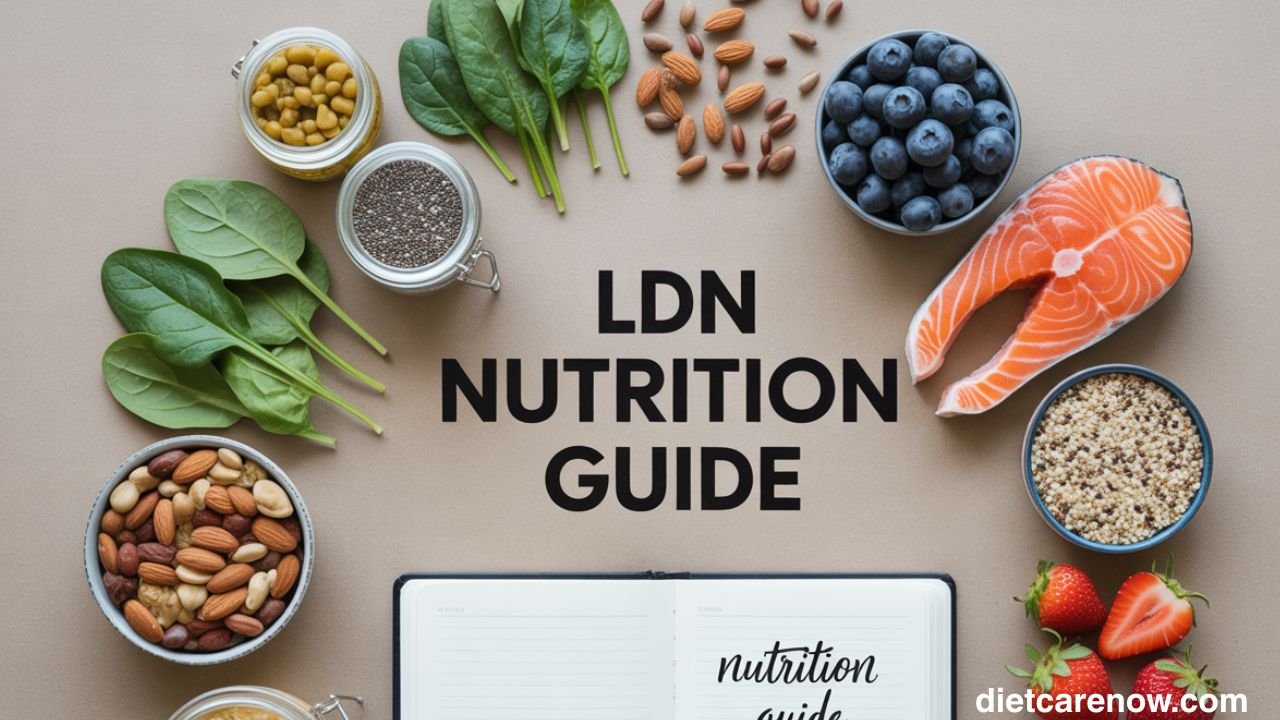
If you’ve searched the term LDN Nutrition, you’ve probably noticed it can mean a few different things. For many people, it refers to nutrition strategies that support Low Dose Naltrexone (LDN), a medication often used for inflammation, autoimmune symptoms, and chronic pain. LDN Nutrition Guide For others, it may relate to London-based nutrition services or even brand-specific programs.
Interest in LDN nutrition has grown quickly, mainly because people using LDN want to know how food choices may improve their results. While LDN works on the body’s immune and endorphin systems, what you eat can influence inflammation, energy, digestion, and overall well-being.
This guide will walk you through what LDN is, how it works, and how nutrition plays a meaningful role in helping users feel their best. You’ll also explore recommended foods, nutrients, supplements, sample meal plans, and lifestyle habits that pair well with LDN therapy.
What Is LDN?
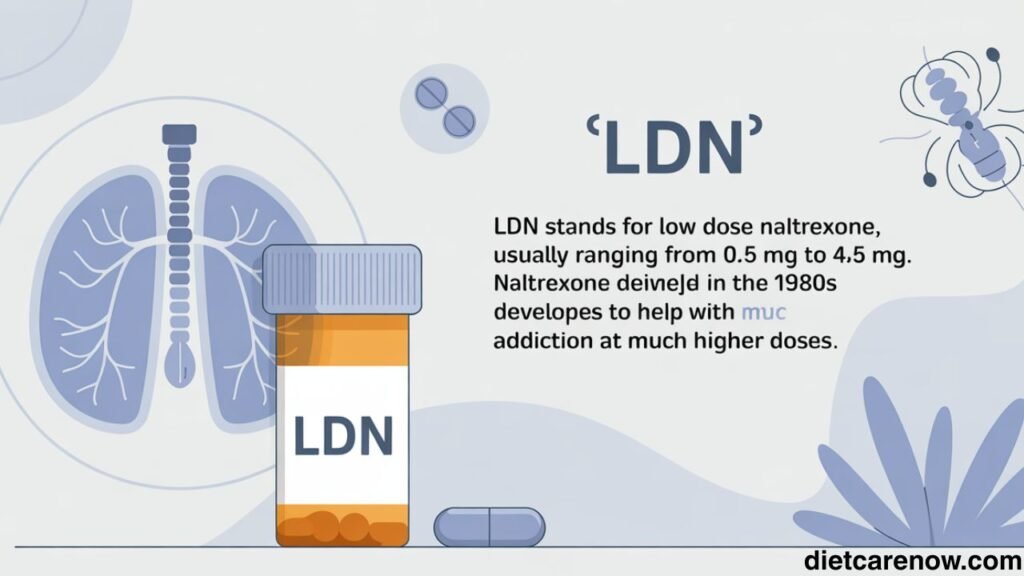
LDN stands for Low Dose Naltrexone, usually ranging from 0.5 mg to 4.5 mg. Naltrexone was originally developed in the 1980s to help with addiction at much higher doses. Over time, researchers found that tiny doses act differently in the body.
Origins and Purpose
LDN was first explored as an immune-modulating option. Doctors noticed that at low doses, the medication briefly blocks opioid receptors, which then signals the body to increase production of endorphins and natural immune-balancing chemicals.
How It Interacts With the Body
LDN gently stabilizes an overactive immune system and can reduce inflammatory reactions. Because inflammation is tied to many chronic illnesses, LDN is now used in areas like:
- Autoimmune conditions (MS, Hashimoto’s, RA, Crohn’s, Lupus)
- Chronic pain and fibromyalgia
- Inflammatory digestive issues
- Chronic fatigue
- Some metabolic concerns
Why Nutrition Matters for LDN Users
LDN doesn’t replace nutrition, but the two work together. Food affects inflammation, hormone balance, gut health, and immunity. A supportive diet can make it easier for LDN to do its job and enhance how the body responds to it.
Also read: /nutritious-roasted-beets/
The Science Behind LDN and Nutrition
How Food Affects Inflammation
Inflammation isn’t always harmful, but chronic inflammation contributes to pain, fatigue, and immune imbalance. Foods high in sugar, additives, or damaged fats can increase inflammation. On the other hand, whole, nutrient-rich foods can lower it.
LDN’s Role in Immune Modulation
When you eat foods that lower inflammatory load, you support this natural balancing process. It’s like giving your immune system cleaner conditions to work in.
Why Nutrition Can Improve LDN Effectiveness
Better nutrition may:
- Support healthier gut bacteria, which influence immunity
- Improve energy, making it easier to handle LDN adjustments
- Reduce inflammatory triggers that may compete with LDN’s effects
- Stabilize mood and sleep, which LDN often works to improve
Research-Backed Insights
Studies show that:
- Diets rich in omega-3 fatty acids are strongly linked to reduced inflammation.
- Fiber and probiotics support gut balance and immune health.
- Magnesium helps regulate nerve function and supports sleep quality.
These nutrients and habits all support the same pathways that LDN targets.
Benefits of Combining LDN With a Balanced Diet
Here are the most important benefits users often notice:
Improved Immune Function
Eating nutrient-dense foods supports immune cells and helps LDN balance the system even more effectively.
Better Inflammation Control
Foods rich in antioxidants, omega-3s and minerals calm the inflammatory response.
Enhanced Energy Levels
Stable blood sugar and nutrient-rich meals prevent dips that contribute to fatigue.
Support for Chronic Illness Management
A supportive diet helps reduce flare-ups in autoimmune conditions and digestive disorders.
Key Nutrients That Support LDN Users
Omega-3 Fatty Acids
Sources: salmon, sardines, walnuts, chia seeds
Omega-3s reduce inflammation and support brain health.
Vitamin D
Sources: sunlight exposure, fortified foods, supplements if needed
Vitamin D plays a major role in immune regulation.
Magnesium
Sources: leafy greens, nuts, seeds, whole grains
Magnesium helps with sleep, muscle relaxation, and nerve function.
Probiotics and Prebiotics
Sources: yogurt, kefir, kimchi, sauerkraut, bananas, asparagus
They support gut bacteria, which influence immunity and inflammation.
Antioxidants
Sources: berries, colorful vegetables, green tea, herbs
Antioxidants help counter oxidative stress.
Foods That Pair Well With LDN Therapy
Anti-inflammatory Foods
- Dark leafy greens
- Berries
- Turmeric and ginger
- Fatty fish
- Olive oil
High-Fiber Meals
Fiber helps digestion and supports gut bacteria.
Examples:
- Oatmeal with seeds
- Lentil soups
- Whole grain bowls
Lean Proteins
Protein stabilizes blood sugar and supports healing.
Options:
- Chicken
- Turkey
- Eggs
- Beans and lentils
Whole Grains and Healthy Fats
Whole grains provide steady energy while healthy fats reduce inflammation.
Hydration Essentials
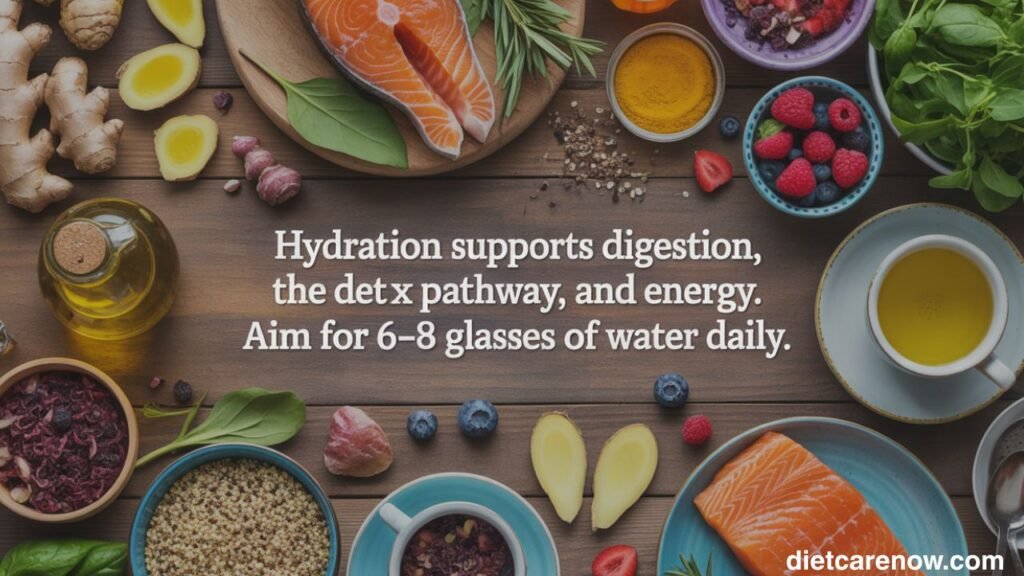
Hydration supports digestion, the detox pathway, and energy. Aim for 6–8 glasses of water daily.
Foods to Avoid When Taking LDN
While there are no strict food restrictions, reducing certain foods can help LDN work more efficiently.
- Highly processed foods
- Fried foods
- Artificial additives and dyes
- High sugar snacks
- Excessive alcohol
- Foods that personally trigger inflammation (like gluten or dairy for some people)
LDN Nutrition for Autoimmune Conditions
Autoimmune issues thrive in inflammatory environments. Nutrition helps create stability.
Examples of Conditions That May Benefit
- Hashimoto’s
- Multiple sclerosis
- Rheumatoid arthritis
- Crohn’s disease
- Psoriasis
Practical Dietary Tips
- Prioritize anti-inflammatory foods.
- Include omega-3-rich meals several times a week.
- Limit sugar and refined grains.
- Boost vitamin D and magnesium.
Foods That Help Calm Autoimmune Responses
- Berries
- Broccoli
- Wild salmon
- Almonds
- Bone broth
- Fermented foods
LDN Nutrition for Weight Management
LDN may influence appetite regulation and reduce inflammation, which can support weight goals.
How LDN May Influence Metabolism
LDN can help stabilize insulin signals and reduce fatigue, making movement easier.
Importance of Calorie Balance
Even with LDN, weight management still requires mindful eating and portion control.
Sustainable Weight Loss Through Nutrition
- Eat protein at each meal.
- Choose whole foods.
- Limit sugary drinks.
- Stay active throughout the day.
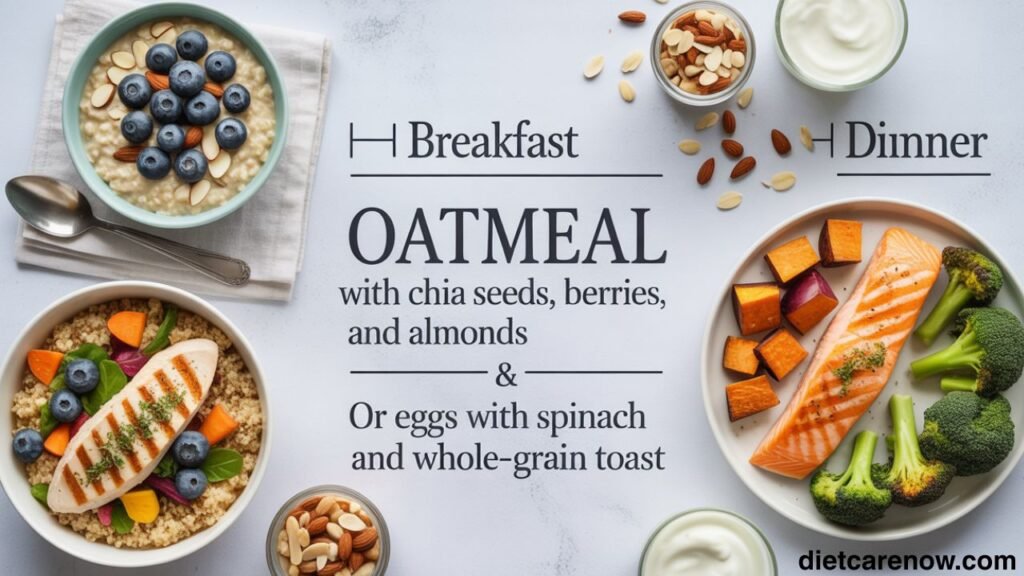
Sample Daily Meal Plan for LDN Users
Breakfast
- Oatmeal with chia seeds, berries, and almonds
- Or eggs with spinach and whole-grain toast
Lunch
- Grilled chicken with quinoa and roasted vegetables
- Or lentil salad with olive oil dressing
Dinner
- Salmon with sweet potatoes and steamed broccoli
- Or a vegetable stir-fry with tofu
Snacks
- Yogurt with honey
- Mixed nuts
- Apple with peanut butter
Hydration Tips
Add herbal teas, infused water, or coconut water if you need more variety.
Supplements That Complement LDN Therapy
Supplements aren’t required, but they can be helpful when dietary intake is low.
When Supplements Help
- Low blood vitamin D
- Frequent muscle cramps
- Digestive issues
- Poor sleep quality
Common Choices
- Vitamin D3
- Magnesium glycinate
- Omega-3 fish oil
- Probiotics
LDN and Gut Health
LDN users often focus on gut health because of its strong connection to immunity.
How Gut Health Affects Inflammation
A balanced gut reduces inflammation, improves digestion, and supports the immune system’s regulation.
Importance of Probiotics and Fiber
They feed beneficial bacteria and help remove toxins.
Foods That Repair Gut Lining
- Bone broth
- Ginger
- Fermented foods
- Oats
- Leafy greens
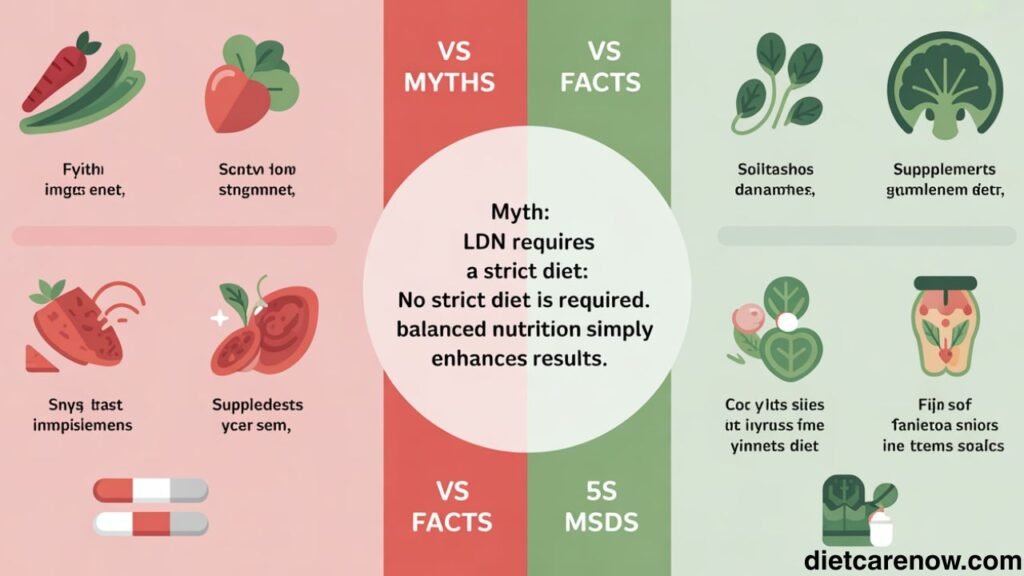
LDN Nutrition Myths and Facts
Myth: LDN requires a strict diet
Fact: No strict diet is required. Balanced nutrition simply enhances results.
Myth: You must avoid all carbs
Fact: Whole grains and fiber-rich carbs are supportive and helpful.
Myth: LDN causes severe digestive issues
Fact: Most users tolerate LDN well. Digestion often improves with better nutrition.
Myth: Supplements can replace food
Fact: Supplements help, but food remains the foundation.
Lifestyle Habits That Boost LDN Results
LDN works best when combined with healthy daily habits.
Sleep
Aim for 7–8 hours to support immune balance.
Stress Control
Chronic stress disrupts inflammation pathways. Helpful options include:
- Deep breathing
- Meditation
- Gentle stretching
Exercise
Even light activity like walking or yoga supports energy and mood.
Mindful Eating Habits
Slow eating improves digestion and prevents overeating.
Conclusion and Final Recommendations
LDN can be a powerful tool for reducing inflammation and improving well-being, but nutrition plays a major supporting role. A balanced diet rich in whole foods, healthy fats, fiber, and antioxidants helps your body work with LDN more effectively.
There’s no need for strict food rules. Instead, focus on consistency, smart meal planning, and simple daily habits that help you feel your best. Everyone’s body is different, so consider working with a healthcare provider or nutritionist to personalize your approach.
When LDN and good nutrition come together, the result is improved energy, better immunity, and a more stable foundation for long-term health.