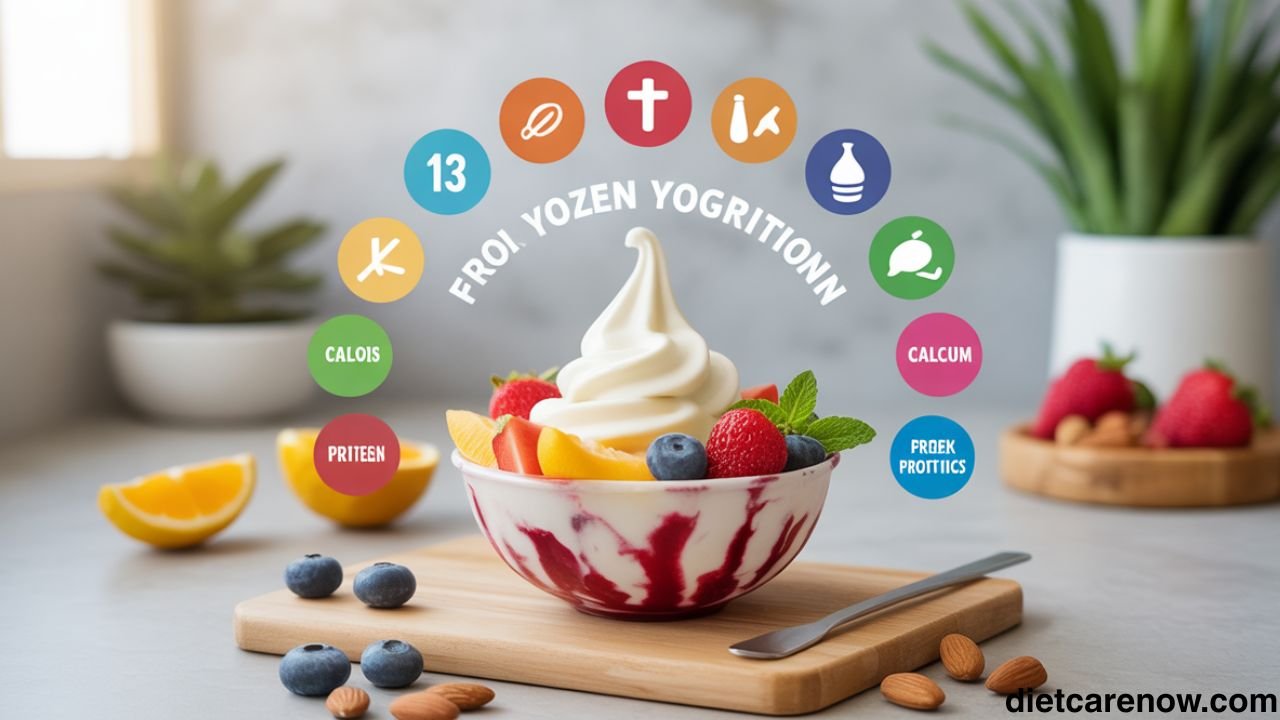
Frozen yogurt has become a go-to dessert for people who crave something cool and creamy but want to skip the heaviness of ice cream. It’s smooth, tangy, and often advertised as a “healthier dessert.” Frozen Yogurt Nutrition is very imp for health.
- What is frozen yogurt?
Frozen yogurt, or “froyo,” is a frozen dessert made from yogurt and milk. It contains live bacterial cultures—similar to those found in regular yogurt—which can benefit digestion and gut health. It’s typically softer and tangier than ice cream because it’s churned differently and contains less fat. - How it differs from regular yogurt and ice cream
While regular yogurt is served chilled, frozen yogurt is frozen and whipped for texture. Ice cream, on the other hand, relies on cream and egg yolks for richness, which gives it a higher fat content. Frozen yogurt uses milk instead, keeping the fat lower while maintaining creaminess. - A quick look at its rise in popularity
Frozen yogurt first gained traction in the late 1970s as people sought lighter dessert options. The trend boomed again in the 2000s when self-serve froyo shops became popular. Today, frozen yogurt remains a favorite for those who want a dessert that feels indulgent but aligns better with a balanced diet.
The Basic Ingredients of Frozen Yogurt
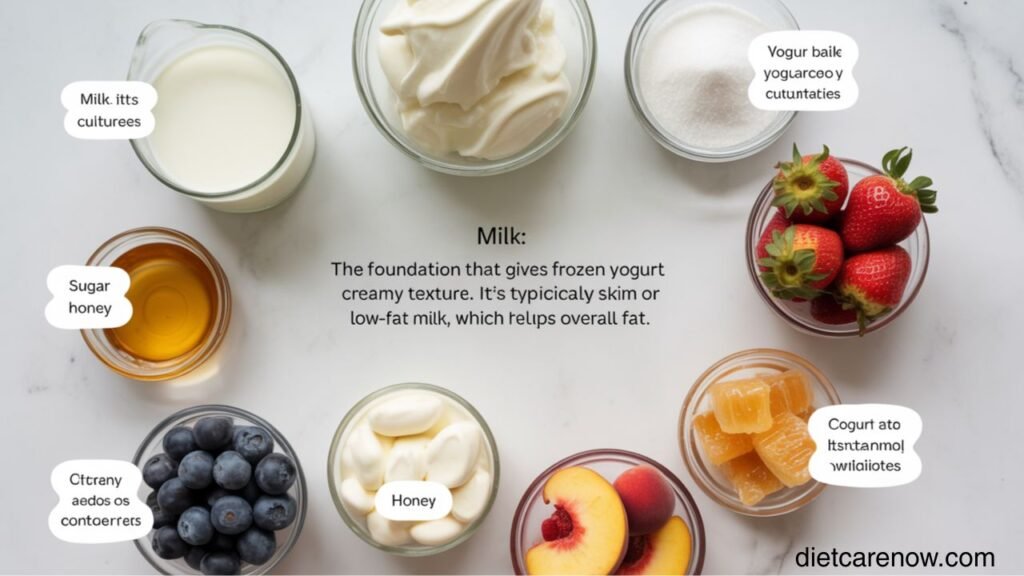
The main ingredients in frozen yogurt include milk, yogurt cultures, sweeteners, and stabilizers.
- Milk: The foundation that gives frozen yogurt its creamy texture. It’s typically skim or low-fat milk, which helps reduce overall fat.
- Yogurt cultures: These live bacteria (like Lactobacillus bulgaricus and Streptococcus thermophilus) ferment the milk, giving yogurt its tang and probiotic properties.
- Sweeteners: Sugar, honey, or artificial sweeteners are used to balance yogurt’s tartness.
- Stabilizers and emulsifiers: These keep the texture smooth and prevent ice crystals from forming.
- Why live active cultures matter
These friendly bacteria can help improve digestion, support the immune system, and maintain healthy gut flora. However, not every frozen yogurt sold in stores contains live cultures—some may lose them during freezing or pasteurization. - Ingredient variations and nutrition
The type of milk, sweeteners, and added flavors all influence the nutritional value. For instance, a full-fat version has more calories but a richer taste, while non-dairy options may have less protein.
Also read: /peanut-pumpkin/
Nutritional Profile Overview
A standard half-cup serving (about 100 grams) of plain frozen yogurt typically contains:
- Calories: 110–140
- Protein: 3–4 grams
- Fat: 2–4 grams
- Carbohydrates: 20–25 grams
- Calcium: 10–15% of the daily recommended intake
Micronutrients like vitamin D, calcium, and probiotics make frozen yogurt more than just a dessert. These nutrients help support bone strength and digestive health, though the exact amounts vary depending on the brand and ingredients.
Comparison: Frozen Yogurt vs. Ice Cream
Fat and calorie differences
Traditional ice cream can have twice the fat and up to 50% more calories than frozen yogurt. A half-cup of ice cream may pack 200 calories and 10 grams of fat, while the same amount of frozen yogurt averages around 120 calories and 3 grams of fat.
- Sugar content comparison
Frozen yogurt, however, often compensates for its lower fat with added sugar to enhance flavor. Some versions may even contain similar or higher sugar levels than ice cream. - Texture and taste trade-offs
Ice cream is creamier and richer, while frozen yogurt has a lighter, tangier taste. It’s a trade-off between indulgence and refreshment. - Which is healthier?
If you’re watching calories or fat intake, frozen yogurt is generally the better choice—especially plain or low-sugar varieties.
The Role of Probiotics in Frozen Yogurt
Probiotics are the key reason many people view frozen yogurt as a functional food rather than just a treat.
- How they help
Probiotics like Lactobacillus acidophilus and Bifidobacterium promote gut health, aid digestion, and may even support immunity. - But not all frozen yogurts qualify
Some products lose their live cultures during processing. Look for labels that say “contains live and active cultures.” This ensures you’re getting real probiotic benefits.
Sugar and Sweetener Content
Frozen yogurt’s sweetness comes from natural sugars in milk and added sweeteners.
- Natural vs. artificial sweeteners
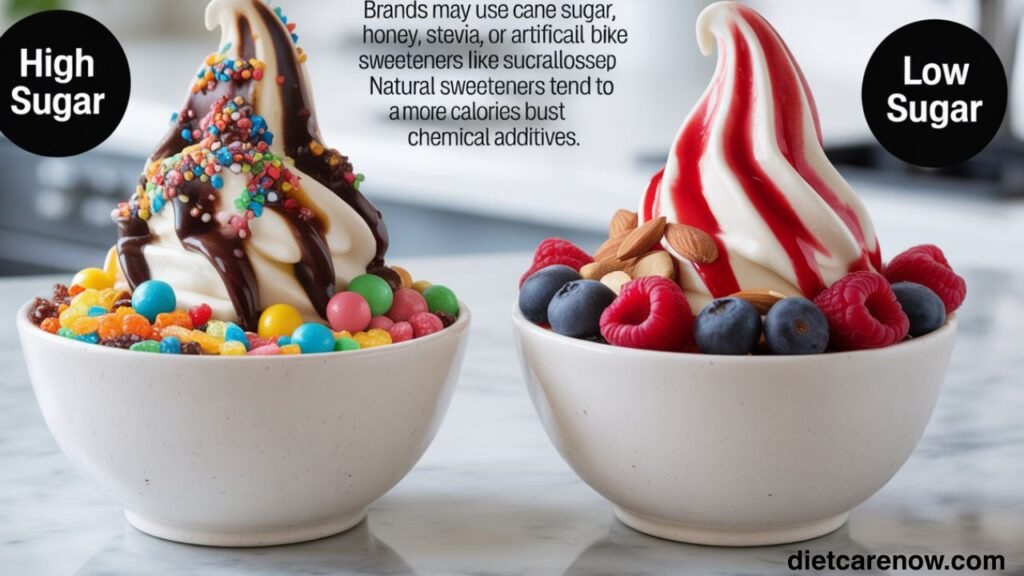
Brands may use cane sugar, honey, stevia, or artificial sweeteners, such as sucralose. Natural sweeteners tend to have more calories but fewer chemical additives. - Impact on calories
Each tablespoon of added sugar increases calories and affects blood sugar levels. A flavored frozen yogurt can easily contain 25 grams of sugar or more per serving. - Healthier alternatives
Opt for plain or lightly sweetened frozen yogurt. You can add natural sweetness with fresh fruit toppings instead.
Fat Content in Frozen Yogurt
- Dairy vs. non-dairy fat sources
Traditional frozen yogurt gets fat from milk, while vegan versions may use coconut or almond milk, which changes the fat type and flavor. - Low-fat or fat-free options
Removing fat affects texture, making the dessert icier. Some low-fat brands use stabilizers or added sugar to restore creaminess. - Finding balance
A moderate-fat frozen yogurt (around 3–4 grams per serving) offers better texture and flavor without being too heavy.
Protein Value of Frozen Yogurt
Frozen yogurt provides about 3–4 grams of protein per serving—less than Greek yogurt but more than many desserts.
- Why protein matters
Protein helps you feel full longer and supports muscle repair. - Boosting protein content
To increase protein, top your frozen yogurt with nuts, seeds, or add a scoop of protein-rich Greek yogurt before freezing at home.
Calcium and Bone Health Benefits
Frozen yogurt contributes to bone strength through its calcium and vitamin D content.
- Daily intake support
A small serving provides about 10–15% of your daily calcium needs, making it a meaningful snack for bone maintenance. - Vitamin D synergy
When fortified with vitamin D, frozen yogurt helps your body absorb calcium more effectively. - Best choices
Choose brands that highlight calcium and vitamin D on their labels for maximum benefit.
Lactose and Digestive Considerations
- Is frozen yogurt easier to digest?
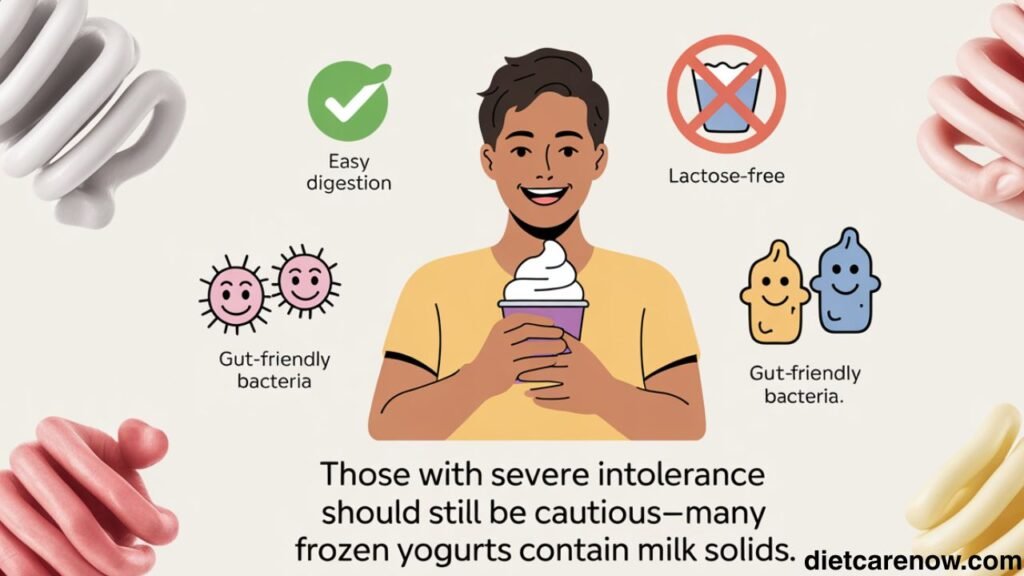
Yes, in many cases. The bacterial cultures in yogurt help break down lactose, making it easier to digest than ice cream. - Lactose intolerance concerns
Those with severe intolerance should still be cautious—many frozen yogurts contain milk solids. - Lactose-free options
There are lactose-free or dairy-free frozen yogurts made with almond, soy, or coconut bases that mimic the texture of traditional froyo.
Frozen Yogurt Toppings and Nutrition Impact
Toppings can make or break the healthiness of your frozen yogurt.
- Common toppings
Fruits, chocolate chips, candies, syrups, and nuts are the most popular choices. - Hidden calories
A drizzle of caramel or a handful of cookie crumbs can double your calorie count. - Healthier topping ideas
Try fresh berries, chopped nuts, chia seeds, or a sprinkle of granola for fiber and nutrients without excess sugar.
Store-Bought vs. Homemade Frozen Yogurt
- Nutritional differences
Store-bought frozen yogurt often contains stabilizers, preservatives, and more sugar for shelf life. Homemade versions let you control every ingredient. - Making it at home
Blend plain yogurt with a bit of honey or fruit and freeze until creamy. You’ll retain probiotics and avoid unnecessary additives. - Healthy homemade tips
Use Greek yogurt for extra protein or coconut yogurt for a vegan twist.
Vegan and Non-Dairy Frozen Yogurt Options
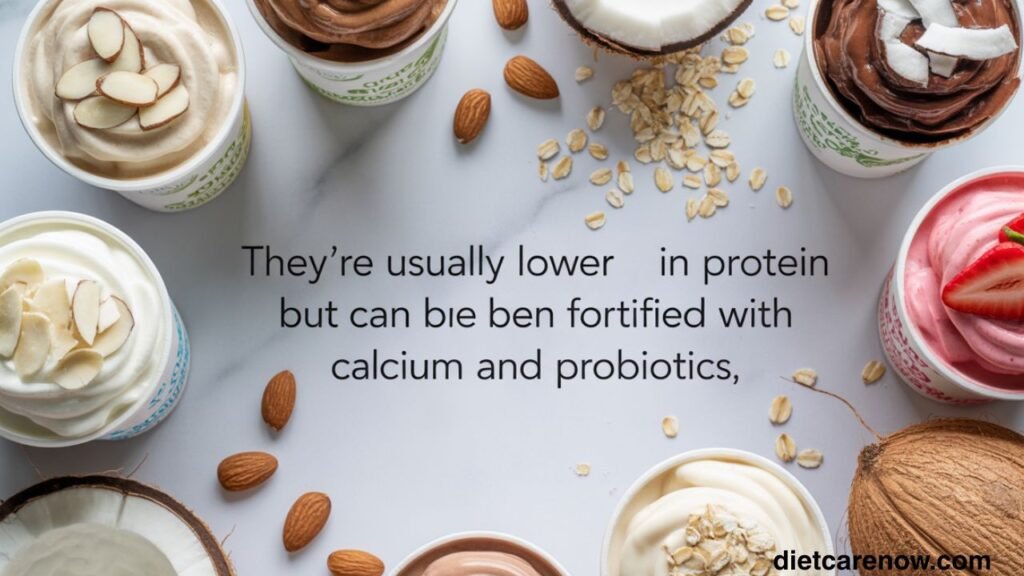
Vegan frozen yogurts are made from plant-based milks like almond, soy, oat, or coconut milk.
- Nutritional differences
They’re usually lower in protein but can be fortified with calcium and probiotics. - Popular brands
Look for options like So Delicious Dairy Free or Oatly Frozen Dessert, which mimic the creaminess of traditional yogurt while staying plant-based.
Health Benefits and Potential Drawbacks
The benefits
- Supports gut health through probiotics
- Provides calcium and protein
- Offers a lighter alternative to ice cream
Potential drawbacks
- Many varieties are high in added sugars
- Artificial additives can reduce health value
- Large portion sizes can quickly add calories
Balance is key
Frozen yogurt can fit into a healthy diet when enjoyed in moderation and paired with smart toppings.
Conclusion: Making Smart Choices
Frozen yogurt can absolutely be part of a balanced, health-conscious lifestyle. It delivers key nutrients like calcium, protein, and probiotics—but not all options are created equal.
To choose wisely:
- Go for plain or low-sugar varieties
- Check for live cultures
- Add fresh fruit instead of candy toppings
- Keep portions modest
When you make mindful choices, frozen yogurt becomes more than a dessert—it’s a refreshing, nutrient-rich treat you can enjoy guilt-free.