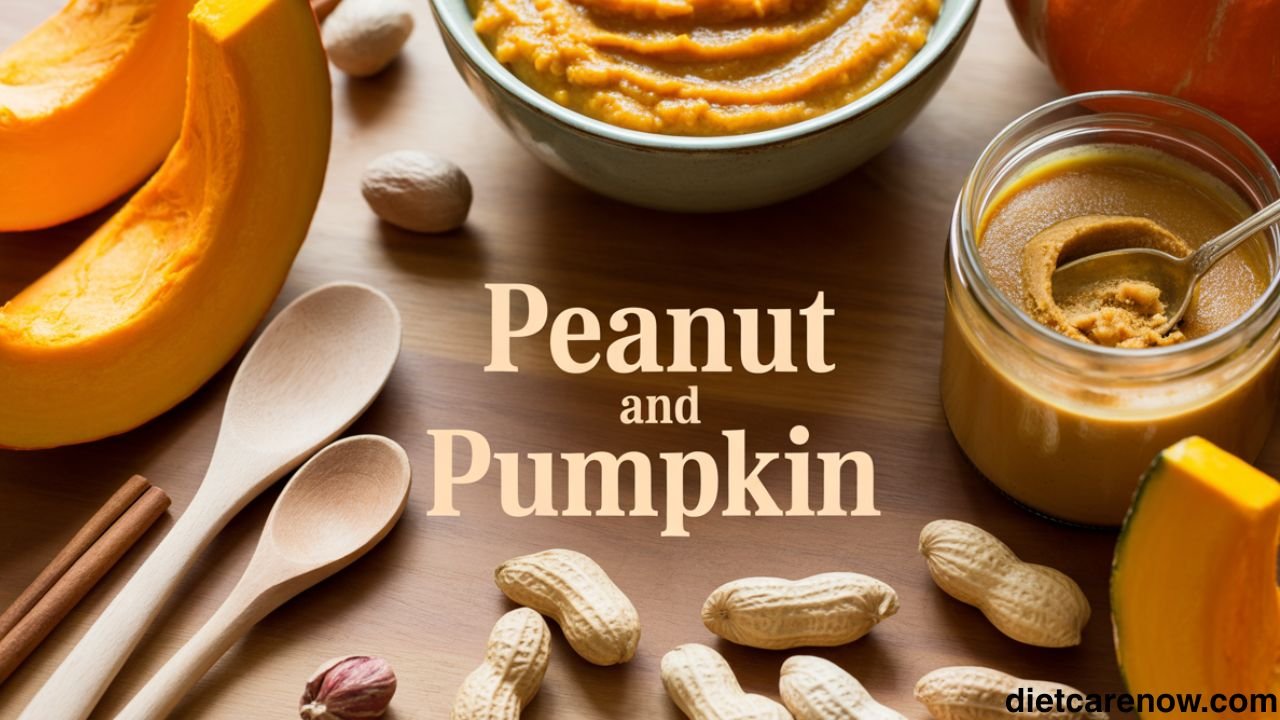
Peanuts and pumpkin might not be the first pairing that comes to mind, but this combo is quickly becoming a favorite in healthy kitchens. From creamy soups to nutrient-rich smoothies, these two ingredients work together beautifully in terms of both flavor and nutrition. Peanuts bring richness, healthy fats, and protein, while pumpkin adds earthy sweetness, fiber, and essential vitamins. Together, they create meals that feel comforting and taste balanced without being heavy. Peanut & Pumpkin
This pairing is also gaining attention among home cooks and nutrition lovers because it fits well with wholesome eating, meal prep culture, and plant-forward cooking trends. Whether you enjoy savory bowls or sweet treats, peanut and pumpkin make a versatile team worth exploring.
Nutritional Benefits of Peanuts
Peanuts are more than just a snack food. They are packed with nutrients that support everyday wellness.
Protein and Healthy Fats
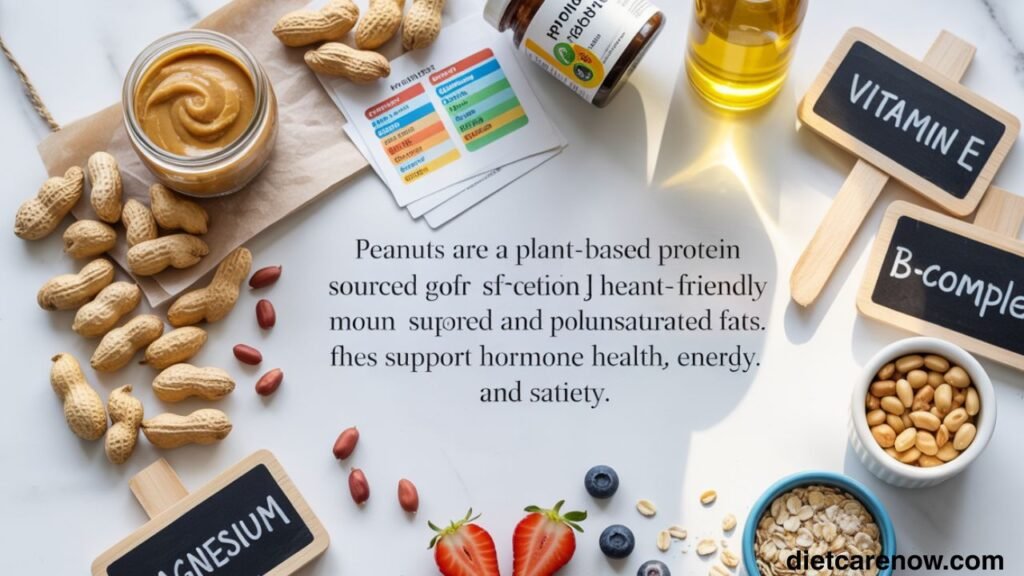
Peanuts are a plant-based protein source and contain heart-friendly monounsaturated and polyunsaturated fats. These fats help support hormone health, energy, and satiety.
Vitamins
Peanuts contain Vitamin E, an antioxidant that supports skin and immune health. They also offer B-complex vitamins like niacin and folate, which play a role in brain function and energy metabolism.
Key Minerals
Peanuts provide minerals, including magnesium, phosphorus, and potassium. Magnesium supports muscle and nerve function, phosphorus helps with bone health, and potassium aids in fluid balance.
Heart Health Benefits
Peanuts are associated with improved heart health due to their fiber, healthy fats, and antioxidants. Studies suggest regular peanut consumption may help reduce LDL cholesterol when part of a balanced diet.
Also read: /nutrition-diagnosis-terminology/
Nutritional Benefits of Pumpkin
Pumpkin is known as a seasonal favorite, but it deserves year-round love for its nutrition profile.
Rich in Vitamin A and Antioxidants
Pumpkin is high in beta-carotene, which your body converts into Vitamin A. This nutrient supports eye health, immunity, and cell repair. The antioxidants in pumpkin also help fight inflammation.
High Fiber for Digestion
Pumpkin contains dietary fiber, which helps with digestion, gut health, and steady blood sugar levels.
Low-Calorie, Nutrient-Dense
Pumpkin is low in calories but rich in vitamins and minerals, making it a smart choice for nutrient-dense eating.
Boosts Immunity
The combination of Vitamin A, Vitamin C, and antioxidants helps strengthen the immune system, especially in colder months.
Why Peanut and Pumpkin Pair Well
This pairing works on several levels.
Texture Harmony
Peanuts add a creamy and rich mouthfeel, while pumpkin provides smoothness and body. Together, they create silky soups, sauces, and spreads.
Balanced Flavors
Pumpkin has a subtle sweetness and earthiness. Peanuts bring nuttiness and warmth. The flavors complement each other in both sweet and savory dishes.
Smooth Blended Dishes
Pumpkin and peanut blend well into soups, smoothies, and desserts, making them easy to incorporate into everyday meals.
Popular Peanut & Pumpkin Dishes
This combo works across cuisines and meal types.
- Pumpkin peanut soup
- Peanut-pumpkin curry
- Pumpkin peanut butter spread for toast
- Smoothies with roasted pumpkin and peanut butter
Peanut and Pumpkin in Global Cuisine
African Peanut Pumpkin Stew
African cooking often uses peanuts in soups and stews. Pumpkin fits right in, adding body and sweetness.
Thai Peanut Pumpkin Curry
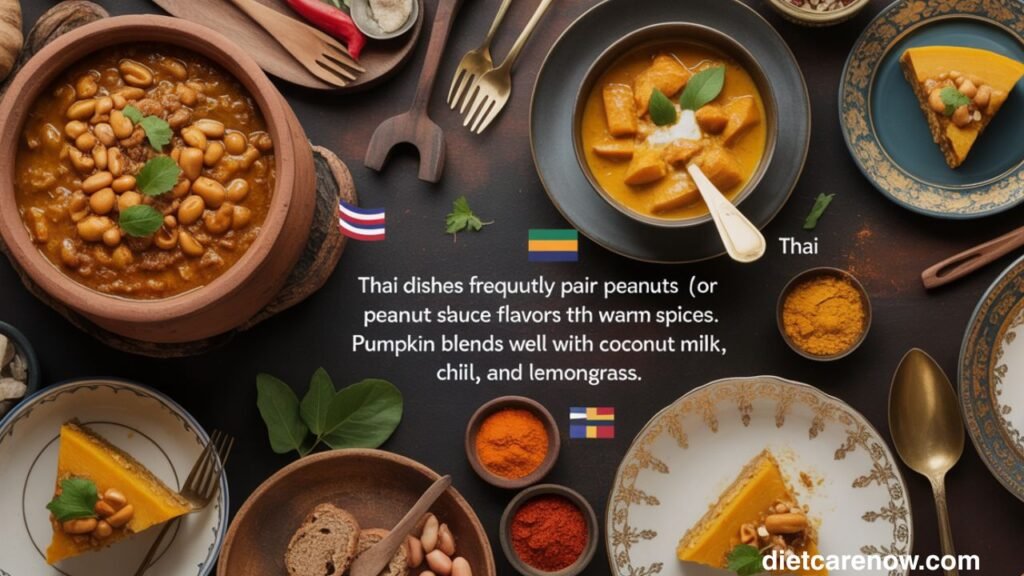
Thai dishes frequently pair peanuts (or peanut sauce flavors) with warm spices. Pumpkin blends well with coconut milk, chili, and lemongrass.
Western Pumpkin-Peanut Treats
Modern recipes include cookies, protein bars, spreads, and creamy pasta sauces using pumpkin and peanut butter.
Health Benefits of Combining Them
When eaten together, pumpkin and peanuts provide a balanced nutrition profile.
Better Satiety
Protein from peanuts and fiber from pumpkin help you feel full longer. This supports healthy eating habits and stable energy.
Weight-Friendly Meals
Their combination creates filling meals that are satisfying without being calorie-heavy.
Energy Boost for Active Lifestyles
Peanuts offer long-lasting energy from healthy fats and protein. Pumpkin adds slow-digesting carbs, perfect for athletes and active individuals.
Allergies & Dietary Considerations
Peanut Allergy Precautions
Anyone with a peanut allergy should avoid peanuts and peanut butter. Always check ingredient labels when buying packaged products.
Pumpkin Sensitivity
Pumpkin intolerance is rare but can show up as digestive discomfort for some people.
Substitutes for Peanut
You can swap peanuts with almond butter or sunflower seed butter for nut-free or allergy-friendly recipes.
Cooking Techniques that Boost Flavor
Roast Pumpkin
Roasting deepens pumpkin’s sweetness and enhances texture.
Toast Peanuts
Lightly toasting peanuts releases natural oils and boosts aroma.
Blend Smoothly
Use a blender or food processor for creamy sauces, soups, and spreads.
Peanut and Pumpkin Breakfast Ideas
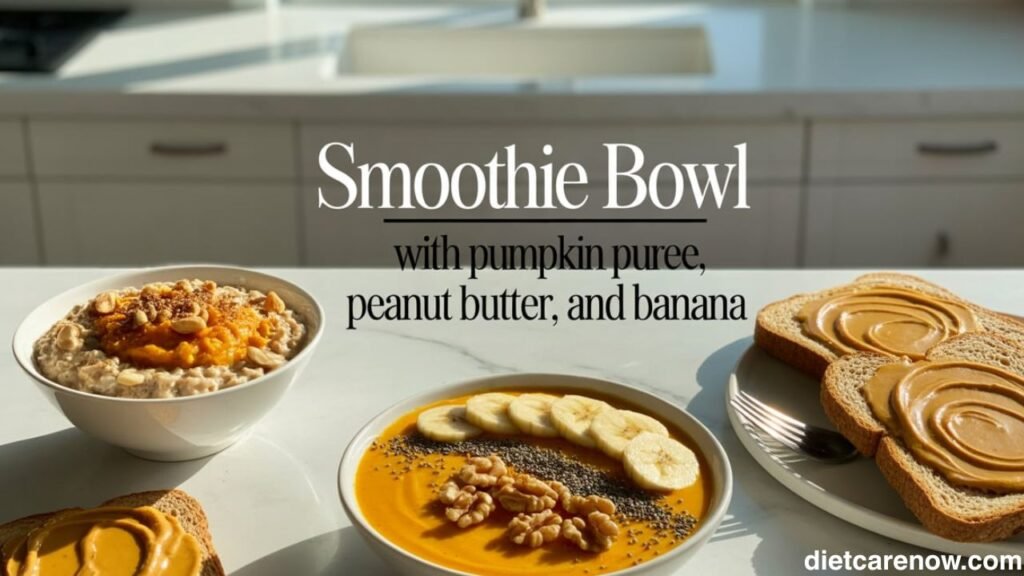
- Pumpkin peanut oatmeal with cinnamon
- Smoothie bowl with pumpkin puree, peanut butter, and banana
- Whole-grain toast with pumpkin mash and a swirl of peanut butter
Peanut & Pumpkin Lunch and Dinner Ideas
- Peanut pumpkin curry served with rice or quinoa
- Pasta tossed in creamy pumpkin peanut sauce
- Roasted pumpkin cubes with peanut dressing and greens
Peanut and Pumpkin Snacks
- No-bake protein bites with oats, pumpkin, and peanut butter
- Homemade pumpkin peanut energy bars
- Soft peanut pumpkin cookies
Peanut and Pumpkin Dessert Ideas
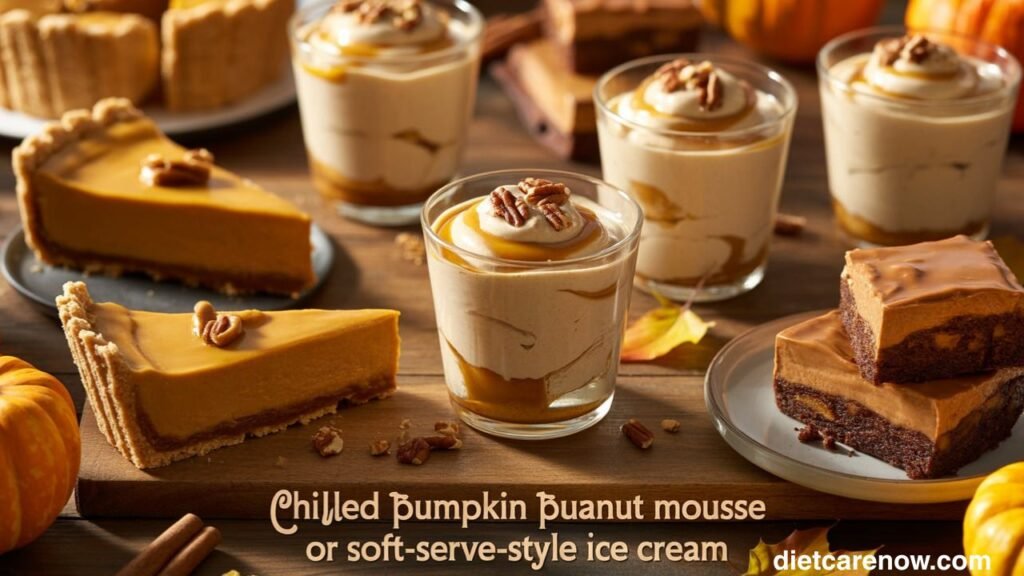
- Pumpkin peanut butter pie
- Fudgy peanut butter pumpkin brownies
- Chilled pumpkin peanut mousse or soft-serve-style ice cream
Tips for Meal Prep and Storage
Batch-Cook Soups and Sauces
Make big batches and portion them out for easy meals.
Freeze Pumpkin
Roasted pumpkin or pumpkin puree freezes well for future recipes.
Store Peanut Products Properly
Keep peanut butter sealed in a cool place. Natural peanut butter may need refrigeration.
Conclusion
Peanut and pumpkin might not seem like a classic duo, but they work wonders together. They bring a mix of protein, fiber, vitamins, and warm, comforting flavors that fit modern healthy eating routines.
Start with a cozy soup, try a smoothie, or experiment with a creamy sauce. Once you see how easy and satisfying this combo is, it may become a regular in your kitchen.
Feel inspired? Try a recipe today and share your creations or ideas. Food tastes even better when we share it and learn together.